Package volume isn’t a spike anymore. It’s the baseline for package lockers for apartments. U.S. parcel shipping volume reached 22.4 billion parcels in 2024 (about 61.3 million per day), and it’s still growing year over year.
What used to be a handful of daily deliveries has turned into a constant stream of groceries, same-day orders, returns, and oversized boxes. For many apartment communities, especially mid- to high-density properties, package handling has quietly become one of the most operationally expensive problems on-site.
Most buildings weren’t designed for this. Package rooms were an afterthought. Front desks weren’t staffed for logistics. And now property teams are stuck managing what’s practically a last-mile distribution hub, with no system built for scale.
That’s where package lockers come in. Not as a flashy amenity, but as infrastructure.
Done right, they reduce workload, create accountability, and standardize a chaotic process. Done poorly, they become just another bottleneck.
Across more than 3,000 multifamily building deployments annually in all 50 states, we’ve seen the same pattern repeatedly: properties that treat package management as operational infrastructure outperform those relying on manual processes and overloaded package rooms. This guide breaks down what actually works, what fails, and how to think about package lockers as a scalable operational system, not just another piece of hardware.
Key Takeaways
- Package lockers solve operational inefficiency more than theft, but only when properly sized and implemented.
- Traditional package rooms fail at scale because they rely on manual processes that don’t hold up under volume.
- Integration with access control and video systems is what turns lockers into a complete solution.
- The long-term advantage goes to properties that treat package management as infrastructure, not an afterthought.
How We Researched This
- We drew from Swiftlane deployment experience across many multifamily and commercial buildings in the U.S., including properties managing high package volume, mixed-use access workflows, and delivery-heavy resident traffic.
- We incorporated operational feedback from property managers, front desk teams, installers, and building operators who deal with package handling issues daily, including overflow management, carrier adoption, and resident complaints.
- We reviewed recurring implementation patterns across multifamily deployments, including common failure points like undersized lockers, poor placement decisions, and disconnected access systems.
- We compared operational tradeoffs between package rooms, standalone lockers, and integrated access-controlled delivery systems using real deployment outcomes and observed workflow impacts.
- We referenced broader multifamily and proptech industry trends around e-commerce growth, same-day delivery expectations, resident experience, and building operations modernization.
- We did not assume that every property has the same delivery volume, staffing model, resident behavior, or infrastructure constraints. Recommendations in this guide are based on operational patterns, not one-size-fits-all assumptions.
Table of Contents
- The Real Cost of Poor Package Management
- Why Traditional Package Rooms Fail at Scale
- What Package Lockers Actually Solve (and What They Don’t)
- How Modern Package Locker Systems Work
- Types of Package Locker Systems (and When Each Makes Sense)
- Sizing and Planning: Where Most Installations Go Wrong
- Integration Matters More Than Hardware
- ROI Breakdown: Beyond “Saving Staff Time”
- Common Failure Points of Package Lockers (and How to Avoid Them)
- Package Locker Implementation Playbook for Property Managers
- The Future of Package Management in Multifamily Properties
- Where Swiftlane Fits In
- Frequently Asked Questions
Related Posts:
- Best Video Intercom Systems
- What To Do About Pandemic Porch Pirates and Package Theft
- Solve Multifamily Package Management Challenges with Swiftlane
- Keyless Entry Systems: Essential Tips for Buying
- Best Telephone Entry Systems for Apartments and Offices
The Real Cost of Poor Package Management
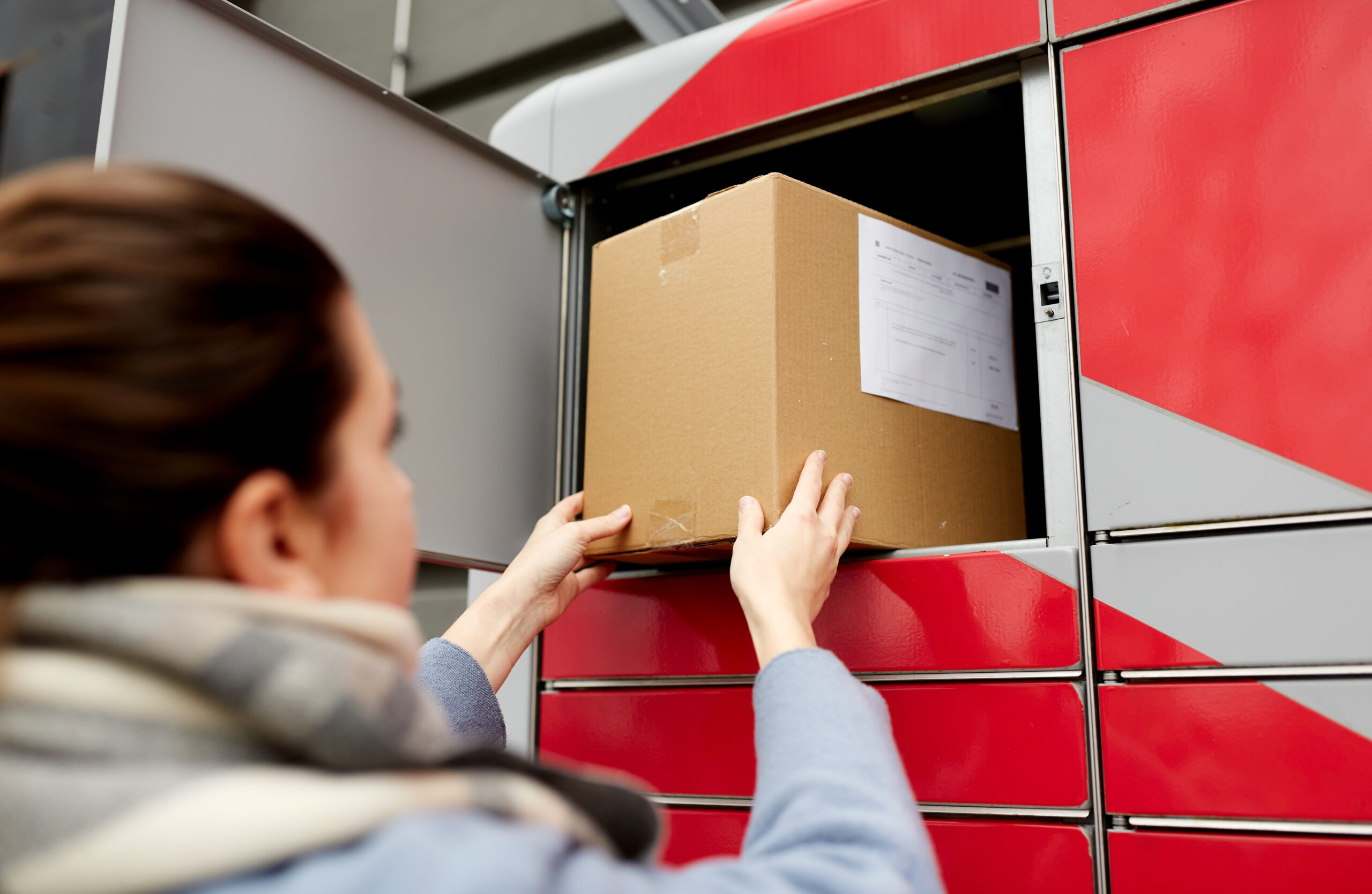
Most teams underestimate the cost because it’s spread across time, people, and resident sentiment. But it adds up fast. And it shows up in places you don’t always track. The short answer: manual package handling doesn’t scale, and the longer you rely on it, the more it drags down operations.
Staff Time Drain
Manual package handling is deceptively expensive because it fragments the workday.
Every delivery requires:
- Receiving and sorting
- Logging or scanning
- Notifying residents
- Managing pickup interactions
On paper, each step looks small. In practice, they stack. At 100+ packages a day, your front desk becomes a logistics hub. Your team isn’t just busy. You’re constantly interrupted, switching contexts, and more likely to make mistakes, too.
Before long, you might find yourself saying: “Packages weren’t a task anymore. They were the job.”
At that point, you either add headcount or accept that service levels drop elsewhere.
Security and Liability Risks
Package theft is a real backdrop for resident complaints. A 2024 report from Security.org estimated 64 million Americans were victims of package theft.
But theft is only part of the issue. When a package goes missing, the issue escalates quickly because there’s no clean way to resolve it. Without a clear chain of custody, you can’t prove delivery, verify pickup, or confidently close disputes.
Even if liability technically sits with the carrier, residents don’t see it that way. They expect the building to step in. That often leads to refunds, concessions, or negative sentiment that’s harder to quantify but very real.
Resident Experience Breakdown
Renter expectations are shifting toward secure, self-serve package pickup. Industry survey data from Multifamily Executive shows measurable demand for package lockers, including willingness among some renters to pay for the convenience.
Residents don’t think in terms of operational constraints. They think in terms of convenience. If picking up a package means waiting in line, working around office hours, or digging through a cluttered room, frustration builds quickly.
And that frustration doesn’t stay contained. It shows up in reviews, resident surveys, and ultimately renewal decisions.
Hidden Costs Most Managers Miss
The biggest costs are indirect. Overflowing package rooms eat up usable space. Repetitive, high-friction tasks lead to staff burnout and turnover.
The core issue isn’t theft. It’s that the system was never designed for this level of volume, and it’s now failing under its own weight.
Why Traditional Package Rooms Fail at Scale
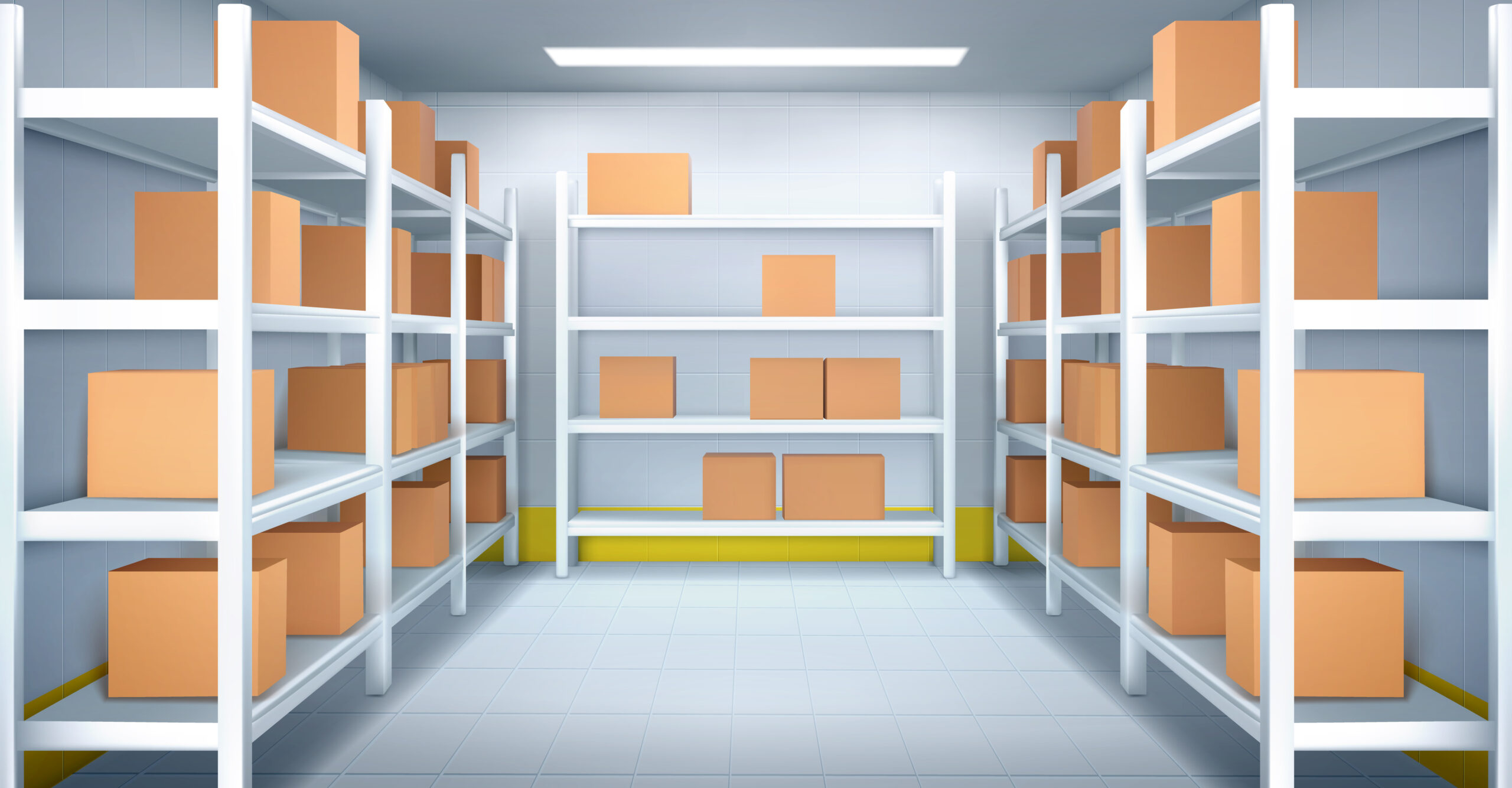
Package rooms fail at scale. Not sometimes, but predictably. They were built for a different era, when deliveries were occasional and manageable. Today, with multiple packages per resident per week, the model breaks. Shelves fill up fast, organization slips, and retrieval slows down. What starts as a simple storage space turns into a daily operational headache. At a certain volume, the room stops being helpful and starts creating more work than it saves.
They Were Built for a Different Era
Most package rooms weren’t designed for sustained, high-frequency delivery traffic. As volume increases, the system degrades:
- Shelves fill up
- Organization breaks down
- Retrieval becomes slow and inconsistent
One operator described it as “organized chaos on a good day.” That’s the ceiling of what these rooms can handle.
No Accountability Layer
Open access creates a visibility problem you can’t fix after the fact. Anyone can enter, and when something goes missing, there’s no clean way to trace what happened. Cameras help, but they’re reactive. You’re reviewing footage, not preventing loss. Without a chain of custody, disputes become time-consuming and rarely end cleanly.
Operational Chaos Is Inevitable
Even with strong staff, the process is fragile. Packages get misplaced, stacked incorrectly, or logged inconsistently, especially during peak periods.
Most properties end up relying on “hero staff” to keep things running. That works until it doesn’t. Turnover, call-outs, or just a busy day expose the gaps quickly.
The Core Insight
Package rooms don’t fail because teams aren’t trying. They fail because they depend on humans to manage high-volume, repetitive logistics work without a system designed for scale.
What Package Lockers Actually Solve (and What They Don’t)
Lockers bring structure. But they’re not magic.
| Category | Capability | What It Means in Practice | Operational Impact |
| What They Solve Well | Secure storage | Each package is placed in an individual, locked compartment | Reduces theft risk and eliminates open-access confusion |
| Automated notifications | Residents are instantly alerted when a package is delivered | Removes manual staff involvement and speeds up pickup | |
| Clear audit trails | Tracks who delivered, who picked up, and when | Makes disputes easier to resolve with actual data | |
| 24/7 access | Residents can retrieve packages anytime | Eliminates dependency on front desk hours | |
| What They Don’t Solve Automatically | Oversized packages | Large items don’t fit standard compartments | Requires overflow handling or hybrid setups |
| Carrier adoption | Some carriers may ignore or misuse the system | Leads to inconsistent workflows without proper onboarding | |
| Capacity limitations | Poorly sized systems fill up quickly | Causes operational breakdown during peak periods |
The Key Takeaway
Lockers don’t fix bad planning. They amplify good systems and expose weak ones.
How Modern Package Locker Systems Work
At a high level, the process is simple. The execution is where systems differ.
Delivery Flow
- The carrier arrives and accesses the locker system
- They input or select the resident/unit
- The system assigns an available compartment
- The locker opens automatically
- The resident receives a notification with access details
Pickup Experience
Residents retrieve packages using PIN codes, QR codes, or mobile apps. Access takes seconds. No staff involved.
System Components
| Component | Function | Why It Matters |
| Locker hardware | Physical compartments | Determines capacity and durability |
| Software platform | Manages deliveries and access | Enables automation and tracking |
| Notification system | Alerts residents | Drives adoption and fast pickup |
| Admin dashboard | Reporting and controls | Lets managers monitor performance |
The difference between systems isn’t the concept. It’s reliability, usability, and integration.
Types of Package Locker Systems (and When Each Makes Sense)
Choosing the wrong locker system creates long-term operational friction.
Carrier-Agnostic Lockers
The best option for most properties is carrier-agnostic lockers because they work across all delivery services and create a single, consistent workflow.
In mixed-carrier environments (which is almost every apartment building), this flexibility matters. It reduces confusion, improves adoption, and keeps operations predictable.
Carrier-Specific Lockers
Carrier-specific lockers, on the other hand, are built for a single delivery network. They can work in niche scenarios, but they often introduce fragmentation. Other carriers may bypass the system entirely, forcing staff back into manual handling. That tradeoff rarely holds up at scale.
Indoor vs. Outdoor Parcel Lockers
| Factor | Indoor | Outdoor |
| Environment | Controlled | Weather exposure |
| Security | Easier to manage | Requires additional safeguards |
| Space constraints | Limited by building layout | More flexible placement |
Indoor is generally preferred. Outdoor works when space is tight.
Hybrid Models (Lockers + Package Room)
For larger properties, hybrid models are often the most practical approach. Parcel lockers handle standard deliveries efficiently, while a secure package room manages oversized items. This setup reflects how deliveries actually work, not how we wish they worked, and prevents the system from breaking under edge cases.
Sizing and Planning: Where Most Installations Go Wrong
This is where most package locker deployments fail. Not at installation, but in the assumptions made before it.
Underestimating Volume
The biggest mistake is underestimating volume. Many properties still size lockers based on unit count alone, which doesn’t reflect real delivery behavior.
What matters more is delivery frequency per resident, property type, and local patterns. A luxury property with heavy e-commerce usage will generate far more volume than a smaller or more transient building.
And even though you follow standard sizing guidelines, you can still run out of capacity within months. The issue isn’t the execution. Instead, it’s the flawed inputs.
Ignoring Peak Load
Average volume doesn’t matter when demand spikes. Holidays, major sales events, and move-in periods create surges that overwhelm undersized systems. If lockers are full during these moments, staff fall back into manual processes, and the operational gains disappear.
Poor Placement Decisions
Placement directly affects adoption. If lockers aren’t easy to find, near primary traffic flow, and in a well-lit, secure area, people won’t use them consistently. Carriers take shortcuts. Residents avoid the system. The infrastructure is there, but behavior doesn’t change.
Lack of Future-Proofing
Non-modular systems create long-term constraints. If you can’t expand capacity easily, growth forces a costly redesign. Planning for flexibility upfront is far cheaper than retrofitting later.
Integration Matters More Than Hardware
Most teams focus on hardware. That’s not where success comes from. Integration is.
Standalone vs. Connected Systems
Standalone lockers solve storage, but they create isolated workflows. Connected systems tie into access control, unify credentials, and centralize data. That shift turns lockers from a standalone tool into part of a broader operational system.
Access Control Integration
When lockers integrate with access control, residents use one credential across systems, and locker areas can be restricted to residents only. This improves both security and convenience without adding complexity.
Video and Audit Trails
Combining lockers with video adds a critical layer of visibility. You get visual verification of deliveries alongside digital audit trails, which makes dispute resolution faster and more reliable.
The Real Insight
The locker isn’t the product. The system around it is.
ROI Breakdown: Beyond “Saving Staff Time”
The ROI case for package lockers is real, but it’s often oversimplified. Most discussions stop at reduced staff workload, but that’s only part of the picture.
Direct Savings
Direct savings come from fewer front desk interruptions, fewer lost package claims, and less time spent resolving disputes. Those are tangible and easy to track.
Indirect Gains
But the indirect gains often matter more. Better resident experiences can contribute to stronger online reviews and higher resident satisfaction over time, especially in competitive rental markets where convenience and operational responsiveness influence perception.
While package management alone won’t determine leasing performance, recurring delivery frustrations can become part of the broader resident experience that shapes renewals, referrals, and online feedback.
Operational Efficiency
Operationally, the biggest shift is standardization. You’ll experience less chaos during peak delivery periods and fewer ad hoc workflows that rely on your staff’s improvisation.
Reality Check
The reality check is simple: ROI only shows up when the system is properly sized, adopted, and integrated. A poorly planned installation won’t deliver meaningful returns, no matter how good the hardware is.
Common Failure Points of Package Lockers (and How to Avoid Them)
Most package locker deployments fail for predictable, non-technical reasons.
| Common Issue | What’s Happening | Practical Fix |
| Lockers constantly full | Capacity doesn’t match real delivery volume, especially during peak periods | Set clear overflow policies and plan capacity based on actual usage patterns, not just unit count |
| Carriers bypassing the system | Carriers default to old habits when workflows are unclear or inconvenient | Use clear signage and direct carrier instructions to reinforce proper usage from day one |
| Residents delaying pickup | Packages sit too long, reducing availability and creating congestion | Enable automated reminders to prompt timely pickup and improve turnover |
| Lack of clear onboarding | Residents and staff don’t fully understand how the system works | Communicate early, repeatedly, and clearly during rollout, not just at launch |
The Pattern
The pattern is consistent across properties: when package locker systems fail, it’s rarely the technology. It’s the operational layer around it that breaks down.
Package Locker Implementation Playbook for Property Managers
A structured rollout is what separates a system that actually works from one that becomes another operational headache. Most failures don’t happen because of the technology. But rather, they happen because teams skip the fundamentals or rush deployment without aligning expectations, volume, and behavior.
Step 1: Audit Current Volume
Start with real data, not assumptions. Track daily package averages, but more importantly, look at peak periods and oversized package frequency. Those spikes are what break systems, not the average day. If you don’t understand true volume patterns, sizing decisions will be off.
Step 2: Define Success Metrics
Before installation, define what “better” actually means. That might include reducing staff handling time by a measurable percentage, cutting resident complaints, or improving average pickup speed. Without clear benchmarks, it becomes difficult to know whether the system is working or just “installed.”
Step 3: Choose the Right System
Selection should prioritize flexibility, integration capability, and vendor support. Price matters, but it shouldn’t lead the decision. A lower-cost system that doesn’t integrate well or scale will cost more over time in operational friction and rework.
Step 4: Plan Installation Carefully
Placement is often underestimated. Focus on accessibility, visibility, and security. If lockers are inconvenient to reach or feel unsafe, adoption drops quickly. Good placement drives behavior without forcing it.
Step 5: Onboard Residents and Carriers
Clear communication determines adoption. If residents and carriers don’t understand how the system works, they’ll default to old habits. Onboarding isn’t a one-time announcement. It needs repetition and clarity across multiple touchpoints.
Step 6: Monitor and Optimize
After launch, use real data to adjust. That includes capacity planning, workflow improvements, and early identification of bottlenecks. The system should evolve based on usage patterns, not remain static after installation.
Not sure how to go about implementation? Contact a Swiftlane consultant now.
The Future of Package Management in Multifamily Properties
Delivery volume isn’t leveling off. Instead, it’s evolving. Same-day deliveries are becoming normal, not premium. Grocery and perishable shipments are growing, and return volume continues to rise as e-commerce habits mature. For multifamily properties, this means one thing: buildings are no longer just living spaces. They’re becoming logistics hubs, whether they planned for it or not.
What That Means
Static systems won’t hold up under that kind of pressure. What works today may not work in two years if volume keeps rising at the same pace.
Data-driven management is becoming the baseline, not an upgrade. Property teams will need visibility into usage patterns, capacity constraints, and peak demand cycles. Integration across systems (access control, delivery management, and resident communication) will matter more than standalone tools ever will.
Forward-Looking Properties
The most competitive properties won’t treat package management as a standalone amenity. They’ll treat it as part of a broader operational system. One that’s connected, measurable, and scalable.
The difference won’t just be convenience. It will be efficiency, resident satisfaction, and long-term operational stability, too.
Where Swiftlane Fits In

Package lockers are no longer a “nice to have.” They’re part of core building operations, and the real question is whether the system behind them actually holds up in daily use.
Too often, it doesn’t. Sizing is based on assumptions instead of real usage, integrations are limited, and management becomes reactive rather than structured.
This is where a connected approach matters. Properties are increasingly moving away from standalone systems toward integrated infrastructure where access control, entry systems, and package workflows operate in one ecosystem.
When these pieces work together, friction drops. Property teams don’t switch between tools, carriers follow consistent processes, and residents experience fewer delays and missed pickups.
In practice, success comes down to three things: sizing based on real delivery patterns, integration with building systems instead of isolated hardware, and ongoing management supported by data rather than guesswork.
When those elements are in place, operational load decreases, and the system becomes predictable instead of reactive.
Swiftlane fits into this shift by focusing on that integration layer. It connects access control and package workflows into one managed platform. The goal isn’t just deployment. It’s making package management measurable and stable enough to run quietly in the background.
To see how this works in practice, explore how Swiftlane can streamline your building’s package and access operations.
Frequently Asked Questions
How many package lockers does my apartment building need?
There’s no universal ratio. Start with actual delivery data (daily volume, peak periods, and oversized packages), not just unit count. If your lockers are full even 10 to 20% of the time, you’re undersized.
What happens when the lockers are full?
Overflow is inevitable, especially during peak periods. Well-run properties plan for it with a hybrid setup (lockers + secure package room) and clear processes, instead of letting staff improvise.
Do all carriers actually use package lockers?
Not always. Adoption depends on how intuitive the system is and how clearly instructions are communicated. If carriers find it confusing or time-consuming, they’ll default to old habits.
Are package lockers worth the cost for smaller properties?
It depends on delivery volume, not just property size. Some smaller buildings still see high package traffic and benefit from lockers, while others may be better served with a simpler controlled-access room.
How do package lockers handle oversized deliveries?
They don’t, at least not directly. Most systems require a separate solution for large items, which is why hybrid models are common in practice. Ignoring this gap is one of the most common planning mistakes.
How long does it take to implement a package locker system?
Installation can be relatively fast, but rollout is where most of the work happens. Expect time for planning, carrier coordination, and resident onboarding. A rushed implementation usually leads to poor adoption and avoidable issues.
How much do package lockers for apartments cost?
Costs vary based on locker size, configuration, software, and installation complexity. The bigger consideration is total operational value. A lower-cost system that constantly fills up or creates management overhead often becomes more expensive over time.
Can package lockers integrate with access control systems?
Yes, and that’s increasingly becoming the best practice. Integration allows residents to use the same credentials across building access and package retrieval, while giving property teams better visibility and centralized management.
Are outdoor package lockers reliable?
They can be, but outdoor deployments require more planning. Weather resistance, lighting, camera coverage, and placement all matter more outdoors than indoors. Properties that underestimate those factors usually deal with higher maintenance and lower adoption later.
Do package lockers reduce package theft?
They can significantly reduce theft compared to open package rooms because they create controlled access and clear audit trails. But lockers alone won’t eliminate every issue. Security still depends on proper placement, access management, and resident pickup behavior.
Upgrade Your Building Security
Get in touch with a Swiftlane specialist for more information on the best access control and video intercom solution for your building.