An apartment intercom system quote is a blueprint for how a building’s entry and access system will actually be built. The way a vendor structures a quote reveals a lot about the system’s scope, hardware quality, and long-term reliability.
For apartment properties, intercom pricing typically includes more than just an entrance panel. There are cameras, credential readers, in-unit devices (if included), cabling, network equipment, mounting hardware, and installation labor, all of which should be clearly itemized. When these components are laid out in a format, it becomes much easier to understand what you’re paying for and how different proposals compare.
In this guide, we’ll walk through what an itemized apartment intercom system quote should include, from entry panels to in-unit receivers, so you can review proposals with clarity and confidence.
How This Guide Was Researched
This framework is based on:
- Publicly available intercom pricing documents
- Feedback from multifamily property managers reviewing vendor proposals
- Installation best practices from access control integrators
- Life-safety and security standards, including NFPA 101 (Life Safety Code), which governs egress and door locking requirements in multifamily buildings.
Our goal is to provide a practical, vendor-neutral framework for evaluating apartment intercom quotes.
Key Takeaways
- An apartment intercom system quote should be reviewed as a full scope document, not just a total price.
- A clear itemization of hardware, materials, labor, and software makes vendor proposals easier to compare.
- Differences in assumptions about infrastructure, entrances, and access methods often explain pricing gaps between quotes.
- Separating one-time installation costs from ongoing software or support costs supports more accurate long-term budgeting.
- Well-structured quotes reduce the risk of scope changes, delays, and unexpected costs during installation.
Table of Contents
- What an Apartment Intercom System Quote Should Cover Upfront
- Entrance Hardware in an Apartment Intercom Quote
- Cabling, Power, and Network Materials
- Installation and Labor Costs in an Apartment Intercom Quote
- Software and Ongoing Costs in an Apartment Intercom Quote
- Common Gaps in Apartment Intercom Quotes
- How to Estimate and Compare Quotes
- Reviewing Apartment Intercom Quotes with Confidence
- Getting a Comprehensive Quote from A Modern Intercom System Provider
- FAQs
What an Apartment Intercom System Quote Should Cover
Before you get into line items and pricing, a solid intercom quote should clearly state what it is based on. This context matters because apartment buildings vary widely in layout, wiring, and how residents use the system day to day.
At a minimum, the quote should state:
- Property type and layout (garden-style, mid-rise, high-rise, mixed-use)
- Number of controlled entrances (lobby doors, gates, garages)
- Total unit count and whether in-unit devices are included
- Access method assumptions (mobile credential–based access, key fob credentials, directory keypad, or a mix)
- Existing wiring conditions and whether new cabling is expected
- Network and power assumptions at each entrance
- Installation conditions, such as occupied vs vacant units
This upfront information isn’t filler. It sets the boundaries of the quote.
When two vendors start from different assumptions, pricing can look dramatically different even if the systems are similar. Clear scope details help ensure you’re comparing proposals on equal footing and reduce surprises once installation begins.
Small differences in how vendors structure intercom quotes can lead to significant cost differences later, especially if assumptions about infrastructure, labor, or software are unclear.
Entrance Hardware in an Apartment Intercom Quote


For apartment buildings, most of the system’s scope and cost begin at the entrance. This is where intercom quotes should be most detailed, since hardware differences directly affect durability, performance, and how residents and visitors use the system.
Rather than grouping everything under a single “door station” line, vendors should itemize the major components at each controlled entrance.
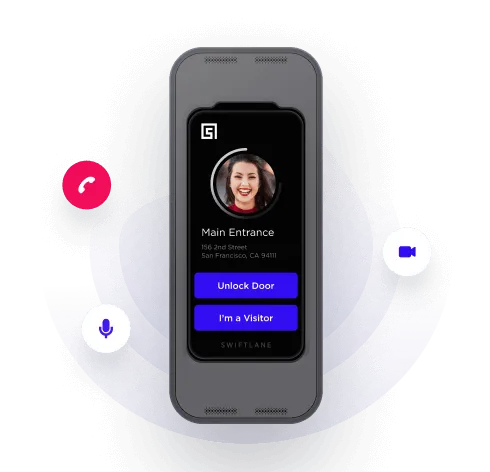
Intercom Entrance Panels and Door Stations
A complete quote typically breaks out:
- The intercom entrance panel or door station
- The camera component (if separate)
- The mounting method (flush or surface)
- Any weatherproofing (IP ratings) or protective hardware (aluminium v/s steel and IK ratings)
These details help clarify what level of hardware is being installed and whether it’s appropriate for indoor lobbies, outdoor entries, or high-traffic areas.
Access and Door Release Components
If the intercom supports access control, those parts should appear as separate line items:
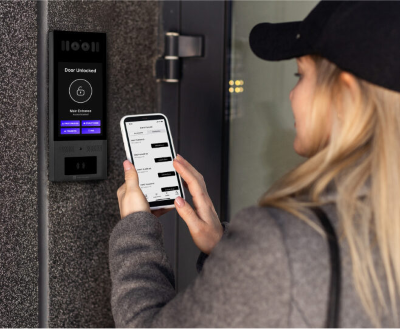
- Credential readers (key fob, mobile, PIN keypad, or combinations)
- Reader mounts or trim
- Access control relay module
- Gate operator interface, even if supplied by another contractor
Clear itemization here helps confirm that the quoted system supports the access methods the property plans to use, without surprises later.
In-Unit Devices
Not every apartment intercom system includes in-unit devices. Many modern buildings rely entirely on mobile credential access, while others still prefer dedicated video or audio receivers inside each unit. Because of that variation, in-unit hardware should always be explicitly included or excluded in the quote.
When in-unit devices are in scope, vendors should itemize them clearly rather than rolling them into a per-unit total.
In-Unit Video or Audio Receivers
A complete quote typically lists:
- The in-unit monitor or handset model
- Whether the device supports video, audio-only, or both
- Power requirements (plug-in vs low-voltage)
- Mounting hardware, such as wall plates or back boxes
Even small differences here matter. Screen size, camera support, and power needs can affect installation time and ongoing maintenance, especially across dozens or hundreds of units.
Management or Concierge Stations
For properties with on-site staff, the quote may also include:
- Desk or concierge stations
- Additional software or licensing tied to those stations
- Dedicated mounts or desk hardware
If these devices are optional, they should appear as separate add-ons rather than being bundled with the base system.
Clearly separating in-unit and management devices helps keep quotes flexible. It also makes it easier to compare mobile-first systems against setups that rely on dedicated hardware inside each unit.
Cabling, Power, and Network Materials

Beyond the visible hardware, every apartment intercom system depends on infrastructure behind the walls. These materials don’t always stand out on a proposal, but they can significantly impact both pricing and installation timelines.
A well-structured quote should clearly outline what’s included for cabling, power, and network equipment, rather than using broad phrases like “wiring as required.”
Cabling and Conduit
Vendors should specify:
- Cable type (Category 6 Ethernet cable (CAT6), 18/2 and 22/2 stranded low-voltage cable, coax, or hybrid)
- Whether new cabling is included or existing wiring will be reused
- Any conduit or raceway required
- Termination, labeling, and testing
In apartment buildings, especially older properties, wiring conditions can vary from one entrance to the next. When the cable scope is clearly defined, it’s easier to understand how the installation was calculated.
Network Equipment
If the system relies on IP connectivity, the quote should list:
- PoE (Power over Ethernet) switches or injectors
- Network hardware locations (Main Distribution Frame (MDF)/Intermediate Distribution Frame (IDF) closets)
- Any required patch panels or termination hardware
Even if the building provides network infrastructure, the proposal should state those assumptions so that responsibilities are clear.
Power and Backup
Entrance panels and access hardware require a stable power supply. Quotes should specify:
- Power supplies or transformers
- Battery backup or Uninterruptible Power Supply (UPS) units, if included
- Electrical work required to support the system
Infrastructure line items may not be the most visible part of the system, but they’re essential to performance and long-term reliability. Clear details in this section help prevent change orders and ensure the quoted price reflects the actual building conditions.
Installation and Labor Costs in an Apartment Intercom Quote
Labor is a core part of any apartment intercom proposal, and it should be structured to reflect how the project will actually be installed across the property. Rather than appearing as a single bundled figure, labor is typically organized by work type and installation scope.
A well-itemized quote may present labor categories like this:
| Labor Category | What it Typically Covers | Why it Matters in Apartments |
| Entrance Installation | Mounting entrance panels, readers, and access components | Entrances often require the most coordination and precision |
| Infrastructure Work | Work in MDF/IDF rooms, equipment setups, and terminations | Ensures system connectivity across the building |
| In-Unit Installation (if included) | Mounting and configuring in-unit receivers | Scales with total unit count and impacts the timeline |
| System Configuration and Credential Provisioning | Configuration, setup, and access settings | Determines how residents and staff use the system daily |
| Testing and Commissioning | System checks, verification, and final walkthrough | Confirms the system is fully operational before handover |
If you’re actively reviewing proposals, make sure you understand the infrastructure assumptions, labor scope, and recurring software costs before signing a contract.
To get a clearer picture of what a modern intercom system might cost for your property, you can generate a customized estimate using our building estimate tool.
Software and Ongoing Costs in an Apartment Intercom Quote


In many apartment intercom proposals, software and recurring costs are presented alongside hardware and installation. However, they serve a different purpose and should be clearly distinguished in the quote. While hardware defines the physical system, software supports how the system operates day-to-day, especially in buildings that rely on mobile credential access, remote management, and digital directories.
A well-structured quote will typically identify whether the system includes a cloud-based access management platform, rather than folding it into a general system cost. The distinction helps property teams understand what portion of the investment relates to ongoing functionality rather than one-time equipment.
Quotes should outline how access is managed over time, especially in apartment buildings with frequent resident turnover. When credential updates and provisioning may occur weekly, pricing should clearly distinguish what’s included upfront versus what requires an ongoing subscription.
Some vendors will also specify support, updates, or maintenance coverage within this section of the quote. When these elements are clearly separated from installation and hardware, it becomes easier to forecast long-term operating costs and compare proposals on a more consistent basis.
Common Gaps in Apartment Intercom Quotes
Even well-prepared intercom proposals can overlook smaller-scope details that only become noticeable once a project is underway. These gaps are not always obvious at first glance, but they can influence budgeting, timelines, and the accuracy of comparing different vendor quotes.
Unclear Infrastructure Assumptions
Look out for this red flag: ‘Wiring as required’ with no detail. Some quotes reference existing wiring, network availability, or power access without clearly confirming site conditions. In apartment buildings, infrastructure can vary significantly across properties, and unspoken assumptions may lead to scope adjustments later in the project.
Mounting and Installation Details
Proposals often focus on core hardware but provide limited clarity on mounting methods or finish-related components. Items such as mounting boxes, trim kits, or surface adjustments may be required depending on the building’s entrance design, and their absence in the quote can make the installation scope feel less defined.
Access Scope That is Described Broadly
Access-related elements, such as credential readers or interface components, are sometimes grouped into general system descriptions rather than listed individually. When this happens, it becomes harder to verify whether the quoted system fully aligns with the building’s planned access methods from the outset.
Ongoing Responsibilities and Post-Install Support
Some quotes briefly mention support or system updates without outlining what is included after installation. Clarifying these responsibilities early helps set expectations for how the system will be maintained and supported once it is operational.
Permitting and Code Compliance Costs
Depending on the jurisdiction, intercom and access control installations may require permits, inspections, or coordination with the Authority Having Jurisdiction (AHJ). These costs are not always included in base proposals.
Quotes should clarify:
- Whether electrical or low-voltage permits are required
- If permit fees are included or billed separately
- Whether inspections or re-inspections are covered
- Any coordination required with fire alarm or life-safety systems
- Compliance with local egress and locking requirements (such as NFPA 101 or local building code equivalents)
In some municipalities, permitting and inspection requirements can meaningfully affect both timeline and cost. If these items are not explicitly addressed in the proposal, it’s worth confirming responsibility before installation begins.
How to Estimate and Compare Quotes


Once you’ve reviewed what is included in each proposal, the next step is understanding how to evaluate quotes in a consistent and practical way. Apartment intercom pricing can vary significantly depending on building size, infrastructure, and system type, so comparing totals alone rarely provides the full picture.
A more reliable approach is to examine how each vendor structures its scope and aligns it with your property’s operational needs. This means reviewing not just the listed components, but also the assumptions behind the quote, such as access methods, number of entrances, and whether the system is designed for mobile credential access, in-unit devices, or a hybrid setup.
Standardizing Line Items Across Vendors
When comparing multiple quotes, it helps to organize them into the same core categories: entrance hardware, in-unit devices (if included), infrastructure, labor, and ongoing costs. Even if vendors use different terminology, aligning proposals into a consistent structure makes it easier to identify where pricing differences originate.
This approach also highlights whether one quote includes additional scope, such as infrastructure upgrades or extended support, that another may not explicitly mention.
Using an Estimator for Early Budgeting
Before requesting final proposals, some property teams use an intercom cost estimator to develop an initial budget range based on unit count, number of entrances, and desired features.
This can provide a useful baseline for discussions with vendors and help set realistic expectations before detailed site assessments begin.
Reviewing System Scope Alongside Pricing
Cost comparisons are most meaningful when evaluated alongside system capabilities. A lower quote may reflect fewer included components, simplified infrastructure assumptions, or limited access features, while a more comprehensive proposal may account for long-term operational needs from the start.
Pairing quote reviews with a broader understanding of modern intercom system options, such as mobile-based access, cloud management, and multi-entrance scalability, can provide additional context when assessing proposals. It can also help to review how modern apartment intercom systems differ from legacy setups before finalizing a vendor decision.
By focusing on scope and clarity rather than just total cost, property teams can compare quotes more confidently and select a solution that aligns with both current building needs and long-term operational expectations.
Reviewing Apartment Intercom Quotes with Confidence
An apartment intercom quote should clearly outline the full scope of the system — including hardware, infrastructure, labor, and any ongoing costs. When line items and assumptions are transparent, proposals are much easier to evaluate and compare.
Instead of focusing only on total price, review how well the quote reflects the building’s layout, access requirements, and long-term operational needs. Clear scope definitions help reduce installation surprises and prevent costly changes later.
A strong quote provides clarity, not just a number, so property teams can move forward knowing the proposal accurately represents the system being installed.
If you’re comparing modern systems beyond pricing alone, review our product overview on modern apartment intercom systems to see how cloud-based and mobile-first platforms differ from legacy setups.
Getting a Comprehensive Quote from A Modern Intercom System Provider
When requesting a quote for an apartment intercom system, it’s important to work with a provider that evaluates the full scope of your building’s needs. Factors like the number of entrances, building infrastructure, door hardware compatibility, and desired features all influence the final cost. At Swiftlane, the process typically begins with understanding your property layout and operational requirements so the proposed system aligns with how the building actually functions day to day.
Swiftlane supports projects from planning through deployment, helping property owners and managers navigate system design, installation, and long-term operation. In addition to remote platform management, Swiftlane also provides on-the-ground installation support and ongoing service to ensure systems remain reliable over time.
This end-to-end approach helps ensure the intercom solution is not only deployed correctly but continues to support building operations as needs evolve.
Request a quote and talk to our team to discuss your access needs! Our team can help evaluate options, estimate project costs, and design a system that fits your building today and scales for the future.
FAQs
What should be included in an apartment intercom system quote?
A comprehensive quote should clearly itemize entrance hardware, in-unit devices (if applicable), cabling and infrastructure, installation labor, and any software or ongoing costs. It should also define key assumptions such as the number of entrances, unit count, access methods, and existing wiring conditions to ensure the scope accurately reflects the property.
Why do apartment intercom quotes vary so much between vendors?
Variations in quotes often stem from differences in scope, infrastructure assumptions, and system capabilities rather than hardware pricing alone. One vendor proposal may include cabling, mounting materials, and long-term support, while another may quote only core equipment, which can make the totals appear significantly different.
Are in-unit receivers always included in intercom quotes for apartments?
Not necessarily. Many modern apartment intercom systems use mobile-based access, which removes the need for in-unit devices. However, some properties still prefer dedicated monitors or handsets, so quotes should explicitly state whether these devices are included, optional, or excluded.
Should infrastructure and wiring be itemized in the quote?
Yes. Infrastructure elements such as cabling, network equipment, and power supplies directly impact installation complexity and system performance. Clear itemization helps prevent misunderstandings and ensures the quoted price aligns with the building’s actual conditions.