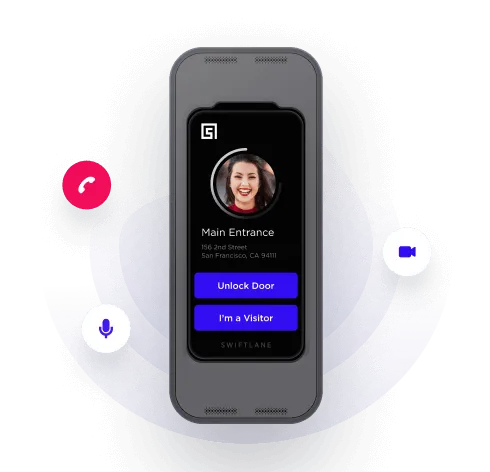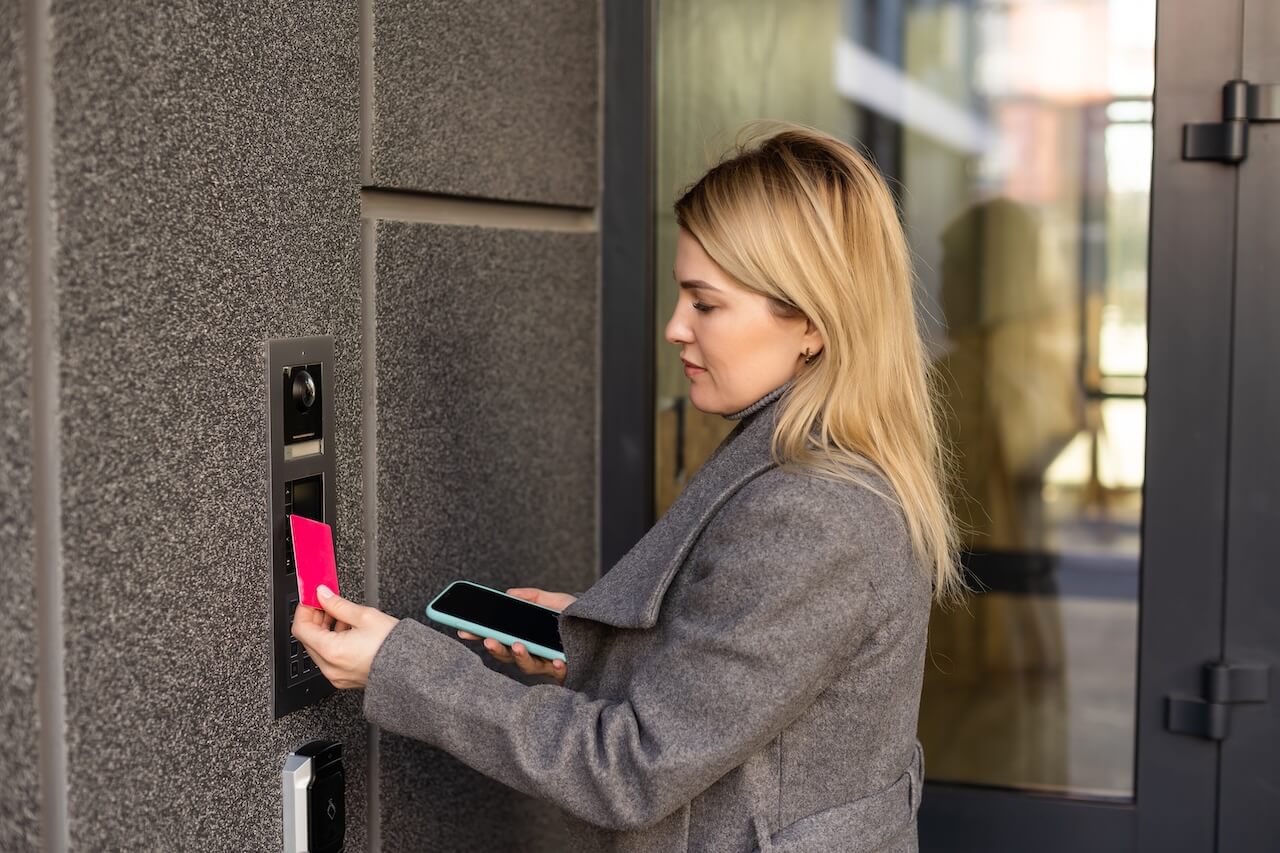
For many condo buildings, the intercom system is one of the most-used parts of daily operations. It manages visitor access, deliveries, and resident entry, often across dozens or hundreds of residents.
But many older systems weren’t designed for today’s building operations. Limited access methods, manual updates, and outdated wiring can slow down operations and create friction for both residents and property managers.
Upgrading a condo intercom system today is less about replacing hardware and more about improving how the building manages access. The right system should support modern access methods, reduce manual work, and integrate with the existing infrastructure.
This guide covers what to consider when upgrading your condo intercom system, from legacy limitations to modern options and what matters in day-to-day use.
Key Takeaways
- Legacy intercom systems often limit access management, even if they still function.
- Modern systems focus on flexibility, remote management, and multiple access methods.
- Infrastructure plays a major role. Retrofit, cellular, or full replacement depends on the building.
- Upgrading a condo intercom typically costs $1,500 to $30,000+, depending on building size, number of entrances, and wiring condition, with ongoing monthly fees of $30 to $500+.
- The best system aligns with daily operations. Swiftlane, Hikvision, Akuvox, and Comelit each suit different building profiles.
- Real-world upgrades show measurable results: buildings report significant reductions in lockout calls and staff time spent on access management.
- A well-planned upgrade reduces manual work and supports long-term scalability.
Table of Contents
- Why Condos Are Upgrading to New Intercoms
- Common Types of Legacy Condo Intercom Systems
- Why Traditional Intercom Upgrades Often Fall Short
- What Modern Condo Intercom Systems Look Like Today
- Types of Modern Intercom Systems
- Cost to Upgrade a Condo Intercom System in 2026
- Best Intercom Systems for Condo Buildings
- Quick Comparison
- What the Switch Looks Like in Practice
- Quick Buyer Checklist
- Let’s Wrap Up
- FAQs
Why Condos Are Upgrading to New Intercoms
Many condo buildings still rely on intercom systems installed decades ago. While these systems may still function, they often struggle to support how buildings operate today.
One common issue is limited access control. Older systems typically rely on landlines or in-unit hardware, making it difficult to manage access remotely or to update permissions efficiently.
Resident expectations are also shifting. Tenants increasingly expect mobile access, video calling, and the ability to grant entry from anywhere.
Operationally, these systems create friction. Property managers often need to handle access changes manually, coordinate with vendors for updates, or address frequent maintenance issues caused by aging infrastructure.
Security is another concern. Legacy systems typically lack detailed access logs, real-time monitoring, or modern authentication methods, making it harder to track and verify entry events.
For many condo boards and property managers, these limitations add up. Even if the system still “works,” it no longer provides the efficiency, visibility, and flexibility a modern building needs.
Common Types of Legacy Condo Intercom Systems
Most older condo buildings use one of the two intercom system types. Knowing which one is installed can help you choose the most practical upgrade path.
Wired Intercom Systems
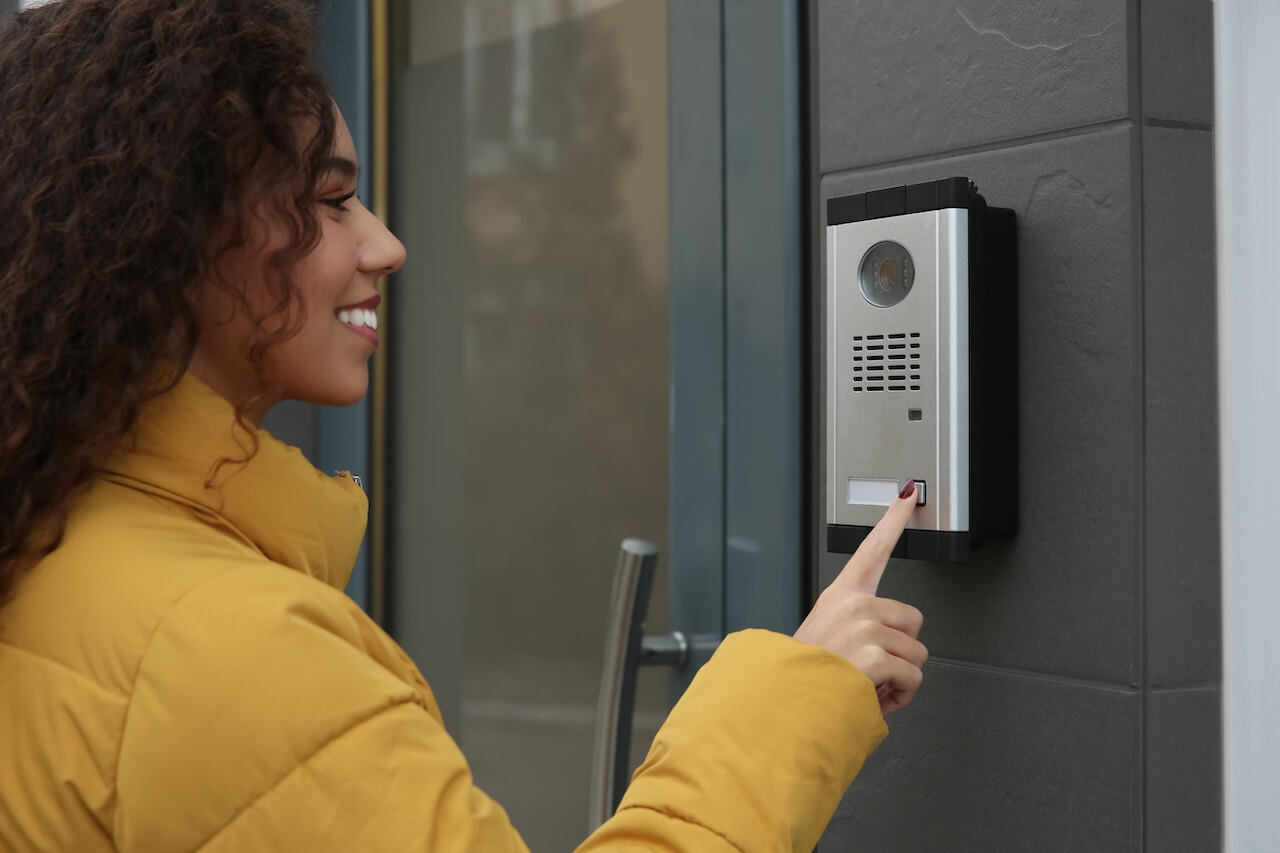
These systems rely on dedicated wiring between the entry panel and each unit, often using 2-wire or 4-wire configurations. Audio-only communication is standard, and users typically grant access through a physical button inside the unit.
While reliable when first installed, these systems are difficult to upgrade. Accessing or replacing wiring in existing buildings can be costly and disruptive, especially in older properties with limited infrastructure.
Telephone Entry Systems
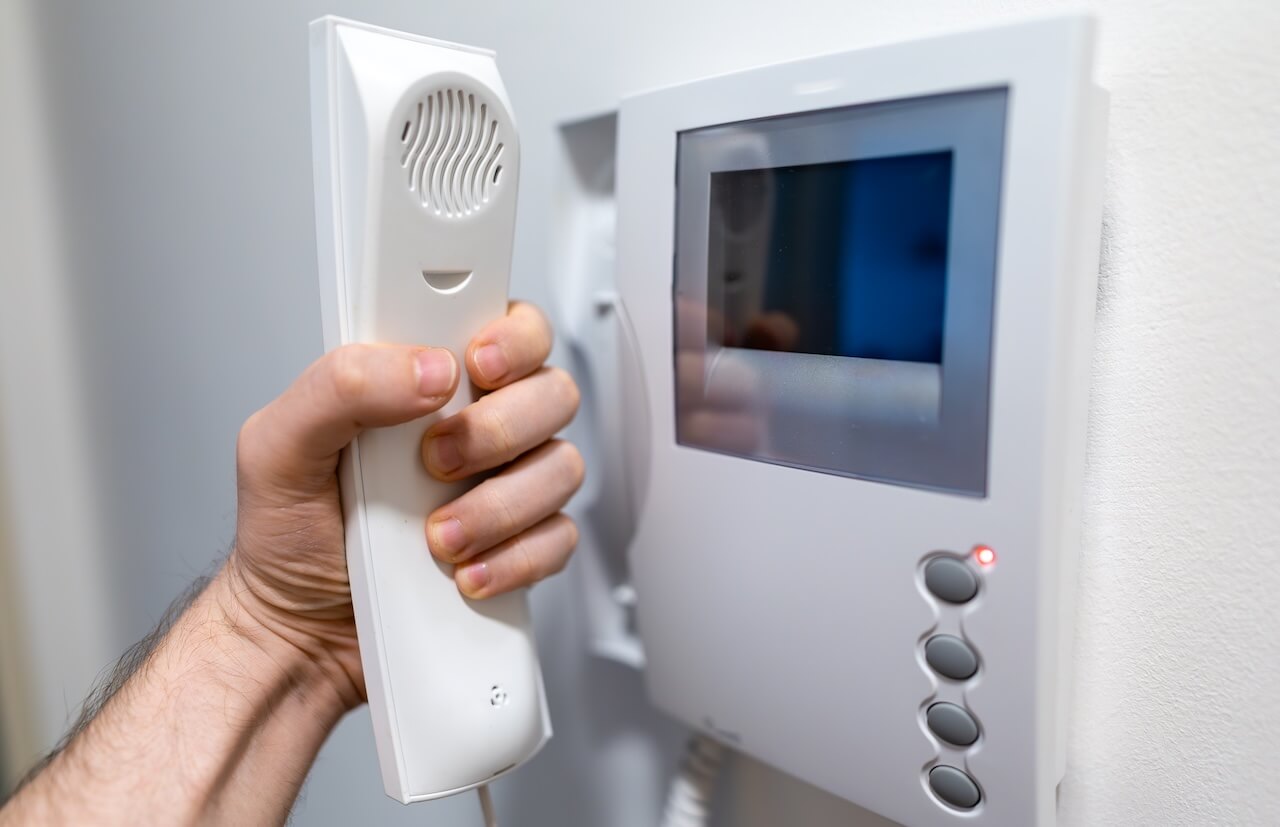
Telephone-based intercoms route visitor calls to a resident’s mobile phone or landline. Residents can grant access by pressing a key on their phone.
These systems reduce the need for in-unit hardware, but functionality is limited. There’s no video verification, and access management is relatively manual. As buildings scale, maintaining directories and permissions can become time-consuming.
Why Traditional Intercom Upgrades Often Fall Short
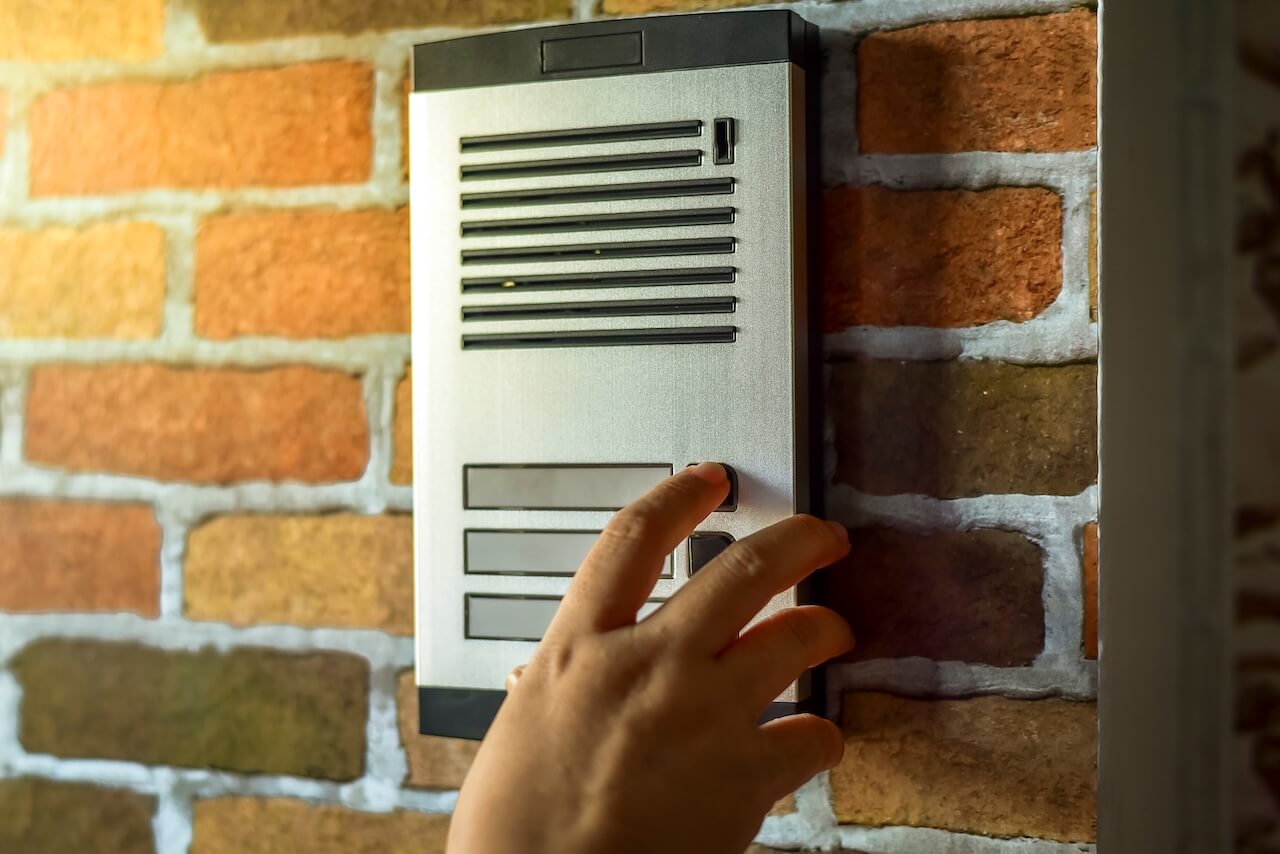
In many condo buildings, upgrading an intercom system means replacing existing hardware while keeping the same wiring setup.
This approach may seem straightforward, but results are often limited.
Where traditional upgrades run into issues:
Infrastructure Limitations
Older buildings weren’t designed for modern access systems. Relying on existing wiring can restrict key features like:
- Video calling
- Mobile-based access
- Remote system management
Even after an upgrade, these capabilities may remain unavailable or inconsistent.
Cost vs Outcome Mismatch
Upgrading legacy systems, especially when rewiring is involved, can be expensive. But the outcome doesn’t always match that investment, especially compared with newer, cloud-based systems that don’t rely on the same infrastructure.
Ongoing Operational Friction
Systems that depend on in-unit hardware or manual updates still require hands-on management, including:
- Updating resident directories
- Managing access permissions
- Coordinating maintenance
In practice, the hardware improves, but the day-to-day workflow often doesn’t.
For many condo boards, this is a turning point. Instead of upgrading around existing constraints, the focus shifts to systems that offer more flexibility, easier management, and better long-term value.
What Modern Condo Intercom Systems Look Like Today
Modern condo intercom systems are built around how buildings operate today, prioritizing flexibility, remote access, and centralized control rather than fixed hardware.
Video-Based Entry
Modern systems allow residents and staff to visually verify visitors before granting access. This adds a layer of security while making everyday interactions, like guest entry or deliveries, more straightforward.
Mobile Access and Remote Unlock
Access is no longer tied to a physical unit. Residents can receive calls on their smartphones, unlock doors remotely, and manage entry even when they’re not home.
Cloud-Based Management
Property managers can control the entire system from a centralized dashboard. This includes updating directories, adjusting access permissions, and managing users without needing on-site changes.
Multiple Credential Options
Buildings can support different access methods depending on their needs. These may include mobile credentials, PIN codes, key fobs or cards, and in some cases, facial recognition.
Delivery and Visitor Access
Modern systems support temporary or scheduled access, such as delivery PINs or guest credentials. This reduces the need for manual coordination and helps streamline entry for non-residents.
Access Logs and System Visibility
Detailed access logs show who entered the building and when. This makes it easier to monitor activity and maintain oversight across the property.
Types of Modern Intercom Systems
Modern intercom systems differ less in hardware than in how they connect and operate within a building. The right choice depends on your infrastructure, building size, and flexibility needs.
Below is a simplified comparison of common system types used in condo buildings nowadays.
| System Types | How It Connects | Best Fit For | Key Considerations |
| WiFi/Ethernet (PoE) | Uses building internet or wired Ethernet | Newer buildings or properties | Reliable performance, supports full feature sets (video, cloud, mobile) |
| Cellular (4G/5G) | Uses a cellular network (no building internet required) | Retrofit projects or buildings with limited wiring/network access | Easier installation, avoids wiring constraints, and recurring data costs |
| Hybrid (Retrofit Solutions) | Combines existing wiring with modern IP/cloud systems | Older buildings with legacy wiring (2-wire / 4-wire) | Reduces the need for full rewiring, but may have some limitations depending on the setup |
How to Think About These Options
Infrastructure First, Not Features
The biggest factor is usually the building’s capacity. Older condo buildings may not have the wiring or network capacity for fully wired systems, making cellular or hybrid approaches more practical.
Retrofit vs Full Replacement
Some buildings benefit from reusing existing infrastructure, while others may need a full upgrade to support modern features. The right approach depends on cost, disruption, and long-term plans.
Flexibility Matters Long-Term
Systems that support multiple connectivity options (e.g., cellular + wired) are often easier to scale and adapt as building needs change.
Once you understand the available system types, the next step is to evaluate which solutions perform best in real-world condo environments.
Cost to Upgrade a Condo Intercom System in 2026
The cost of upgrading a condo intercom system depends on the building’s size, the condition of the infrastructure, and the system type you choose. Below are typical ranges based on real-world installations.
| Building Size | Entrances | Hardware + Install Range | Ongoing Monthly Fees |
| Small (up to 20 units) | 1–2 | $1,500 – $4,000 | $30 – $80/month |
| Mid-size (21–80 units) | 2–4 | $4,000 – $12,000 | $80 – $200/month |
| Large (80+ units) | 4+ | $12,000 – $30,000+ | $200 – $500+/month |
Ranges are planning estimates. Final costs vary by region, installer, and system configuration. Request quotes from at least two vendors before budgeting.
What drives the cost up or down:
- Number of entrances — each additional entry point (garage, side door, amenity access) adds hardware and labor
- In-unit devices vs. app-only — systems that replace physical handsets in every unit cost significantly more than app-based systems
- Wiring condition — buildings that can reuse existing 2-wire or 4-wire infrastructure save on labor; buildings requiring new runs add $2,000–$8,000+
- Door hardware and strikes — if existing door release mechanisms need replacing, factor in an additional $300–$800 per door
- ADA and compliance requirements — audio/visual compliance, accessible panel height, and tactile labeling can add cost, depending on local code
- Installer labor rates — vary significantly by region; urban markets typically run 20–40% higher than suburban rates
Best Intercom Systems for Condo Buildings
A few systems consistently stand out based on flexibility, reliability, and real-world use. Choose what best fits your building’s infrastructure, scale, and daily access needs.
Swiftlane (Best for modern Condo Operations)
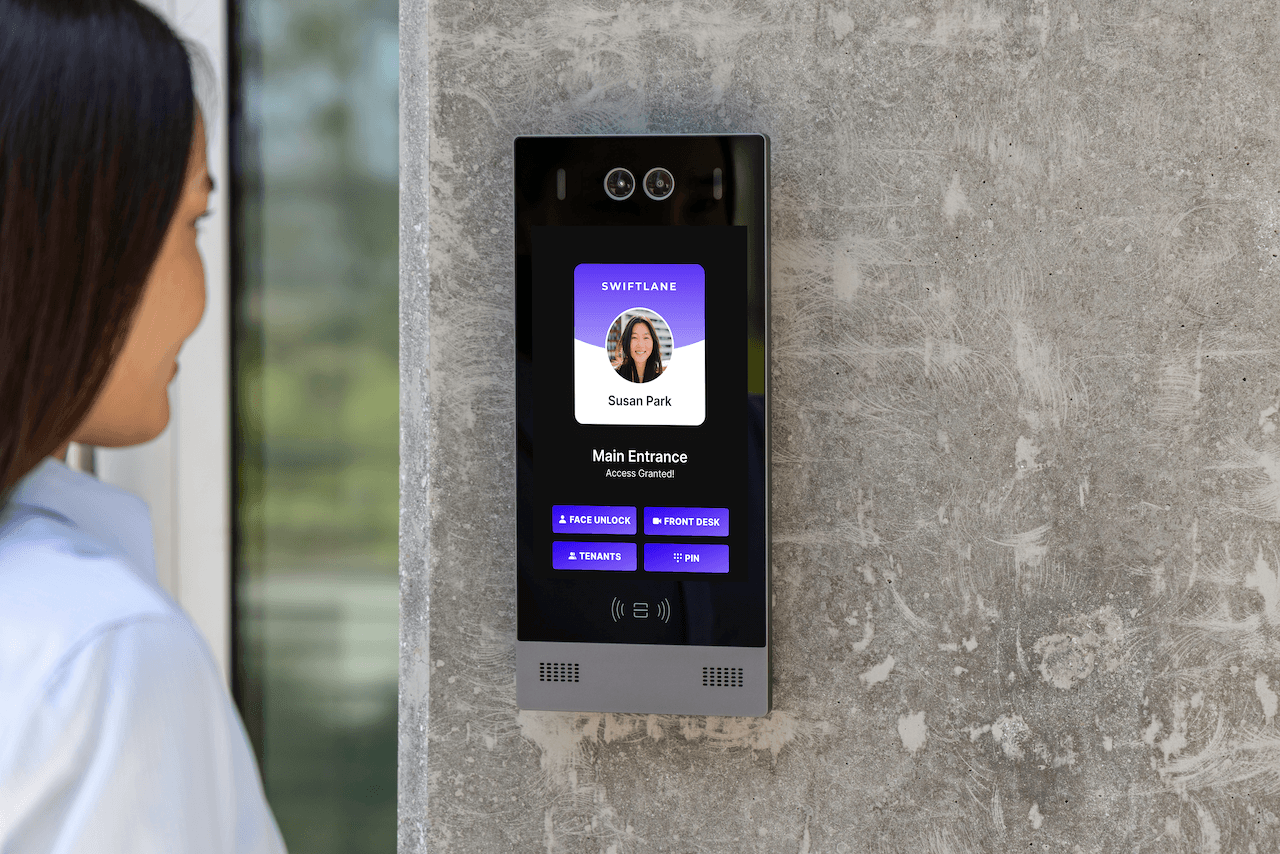
Swiftlane is built around the access management problems that most often arise in condo buildings: frequent tenant turnover, manual directory updates, and residents who need to grant entry remotely.
Where it addresses those directly:
- Remote management: directories, credentials, and permissions are updated through a cloud dashboard without scheduling a vendor visit or reprogramming on-site hardware
- Remote unlock: residents receive visitor calls on their smartphones and can grant access from anywhere, reducing lockout calls from residents who aren’t home
- Multiple access methods: mobile, PIN, fob, and face recognition, so buildings aren’t locked into a single credential type as needs change
- Delivery access: temporary or scheduled credentials replace manual coordination for package-heavy buildings
- Audit logs: every entry event is logged with a timestamp and credential type, giving property managers visibility without additional monitoring infrastructure
Its IK-10-rated hardware is designed for outdoor and high-traffic installations, making it a practical choice for exposed entry panels or buildings with heavy daily use.
Hikvision (Best for infrastructure flexibility and scale)
Hikvision offers a wide range of intercom systems, including IP-based and 2-wire retrofit solutions. This makes it a practical option for both new developments and older buildings.
It’s a good fit for:
- Large condo buildings with many units
- Projects that need to reuse existing wiring
- Buildings integrating an intercom with broader security systems
Some systems can support hundreds of indoor stations and allow remote access via mobile or indoor monitors.
Akuvox (Best for Flexible Deployment Options)
Akuvox is known for offering flexible connectivity options, including WiFi and LTE, along with cloud-based management.
It works well for:
- Buildings that need wireless or hybrid setups
- Properties with mixed infrastructure conditions
- Teams that want app-based access control
Akuvox systems support features such as mobile access, PIN codes, and QR-based entry, making them adaptable to a range of building needs.
Comelit (Best for simple, design-focused installations)
Comelit systems are known for their straightforward setup and design-oriented hardware. They’re often used in smaller condo buildings or properties that don’t require complex configurations.
Best suited for:
- Low-to-mid-density condo buildings
- Projects prioritizing simplicity and aesthetics
- Installations with stable wired infrastructure
Comelit also offers 2-wire systems that can simplify upgrades in older buildings without full rewiring.
Quick Comparison
| Feature | Swiftlane | Hikvision | Akuvox | Comelit |
| Best for | Modern condos | Large/retrofit buildings | Flexible deployments | Simpler setups |
| Connectivity | PoE + cloud | IP + 2-wire options | WiFi/ LTE/ IP | PoE / 2-wire |
| Access methods | Mobile, PIN, face, fob | Mobile, indoor station | Mobile, QR, PIN | Mobile, indoor station |
| Retrofit-friendly | Yes (select setups) | Strong | Strong | Strong |
| Scalability | High | Very high | High | Moderate |
What the Switch Looks Like in Practice
A 64-unit condo building in the Pacific Northwest replaced a 15-year-old telephone entry system with a cloud-based video intercom. The building had two entry points (the main lobby and the parking garage) and a history of frequent lockout calls and manual directory updates.
After switching to a mobile-first video intercom system, the property management team reported a 70% reduction in lockout-related calls in the first 90 days. Directory updates that previously required a vendor visit or on-site reprogramming were handled remotely in under five minutes. The building also eliminated its $65/month landline fee tied to the old system.
For condo boards weighing the upfront cost of an upgrade, reduced staff time and service calls often offset much of the investment within the first year.
For more examples, see Swiftlane’s case studies page.
Quick Buyer Checklist
Before moving forward with an intercom upgrade, use this quick checklist to validate your options:
- Does the system work with your building’s current wiring or network setup?
- Can you manage access remotely without on-site updates?
- Are multiple entry methods supported (mobile, PIN, fob, etc.)?
- Does it provide clear access logs and visibility into entry events?
- Can it handle deliveries and guest access without manual coordination?
- Is the system easy to scale across multiple entry points or buildings?
- Does the vendor offer reliable support and ongoing software updates?
What to Expect During an Intercom Upgrade
Upgrading a condo intercom system typically follows a structured process, but the experience can vary depending on the building’s layout, infrastructure, and chosen system.
Site Assessment and Planning
The process usually begins with a building walkthrough. This helps identify existing wiring conditions, entry points, and any constraints that could affect installation.
At this stage, decisions are made around whether existing infrastructure can be reused or if a full replacement is more practical. The scope of the upgrade, including how many entry points are included and how access will be managed, becomes clearer.
Installation and Setup
Installation depends largely on the type of system being deployed. Retrofit-friendly solutions tend to install faster, especially in buildings with limited wiring access.
More extensive upgrades may require coordination with building management, particularly in shared spaces or high-traffic areas. Installers mount entry panels, connect door release mechanisms, and bring the system online via a network or cellular connection.
System Configuration
Once the hardware is in place, installers configure the system. This includes setting up directories, assigning access credentials, and defining permissions for residents, staff, and shared areas.
For newer systems, a centralized platform handles most of this rather than on-site programming, which simplifies future updates.
Resident Rollout
Introducing a new system requires some level of onboarding. Residents may need to download an app, update their contact details, or switch to new access methods.
Clear communication during this phase helps reduce confusion. Some buildings choose a phased rollout, while others transition all users at once.
Day-to-Day Use After Installation
After the system goes live, the focus shifts to ongoing management. Updates like adding new residents or adjusting access can usually be handled without additional installation work.
This is where newer systems tend to reduce operational overhead, especially in buildings with frequent tenant turnover or multiple entry points.
Let’s Wrap Up
Upgrading a condo intercom system is ultimately about improving how access works across the building.
Legacy systems can still function, but they often fall short in terms of flexibility, visibility, and day-to-day management. Modern systems shift that by centralizing control, supporting multiple access methods, and reducing the need for manual coordination.
The right approach depends on your building’s infrastructure and long-term needs. Some properties benefit from retrofit-friendly solutions, while others move toward fully cloud-based systems.
Taking time to evaluate your options based on how your building operates can help avoid costly rework and ensure the system continues to perform as expectations evolve.
If you’re evaluating systems for your building, Swiftlane’s team can walk you through what deployment typically looks like for your property type and size. Request a demo.
FAQs
How long does it take to upgrade an intercom system?
Timelines vary by building and installation approach. Retrofit-friendly systems can often be installed within days, while full replacements may take longer due to wiring, coordination, and access to shared spaces.
Can condo intercom systems work without an internet connection?
Yes, some systems use cellular connectivity instead of relying on a building’s internet. This is often useful in older buildings with limited or unreliable network infrastructure.
Can you upgrade an intercom system without rewiring the building?
In many cases, yes. Some systems are designed to work with existing 2-wire or 4-wire infrastructure, while others use wireless or cellular connections to avoid rewiring altogether.
What’s the difference between a video intercom and a telephone entry system?
Video intercom systems let residents see and talk with visitors before granting access, while telephone entry systems rely on audio-only calls. Video adds a layer of verification that audio alone doesn’t offer.
What are intercom phones for condos?
Intercom phones for condos are the in-unit devices (handsets or video monitors) that ring when a visitor calls from the lobby or gate panel. Residents can talk to the visitor and press a button to unlock the door. In modern systems, residents can use these alongside a mobile app, letting them answer from an in-unit “phone” or their smartphone.
What is a condo intercom system?
A condo intercom system is an access management system installed at building entry points that allows visitors to contact residents and request entry. Modern systems include video calling, remote door unlock, mobile app access, and cloud-based directory management, going well beyond the basic audio buzzers found in older buildings.
How much does it cost to upgrade an intercom system in a condo building?
For most condo buildings, an intercom upgrade ranges from $1,500 to $30,000+, depending on building size, number of entrances, and whether you can reuse existing wiring. Ongoing monthly fees for cloud- or cellular-connected systems typically range from $30 to $500/month. See the cost section above for a full breakdown by building size.
What is the best video intercom system for condos?
The best system depends on your building’s infrastructure and operational needs. Swiftlane suits buildings that want mobile access, face recognition, and centralized cloud management. ButterflyMX is a strong app-first option. 2N and Aiphone are reliable choices for buildings that prefer IP-based or traditional video setups. See the comparison table above for a side-by-side view.
What are condo door entry systems (and how are they different from an intercom
A condo door entry system is the broader category. It includes any hardware or software that controls who can enter a building. An intercom is one component of that system, specifically the two-way communication device at the entry point. Modern door entry systems combine intercoms with access credentials (mobile, fob, PIN), cloud management, and audit logs into one integrated platform.
Are wireless intercom systems for condos reliable?
Yes, modern wireless and cellular intercom systems are reliable for most condo buildings. 4G/5G cellular-connected systems, in particular, have become a practical choice for retrofit projects where running new Ethernet is not feasible. Signal strength and carrier coverage in your area are the main variables to verify before selecting a cellular-based system.
Swiftlane Condo Video Intercom System
Please tell you about your building requirements and we can sent you an overview of the Swiftlane video intercom and get you a quote.