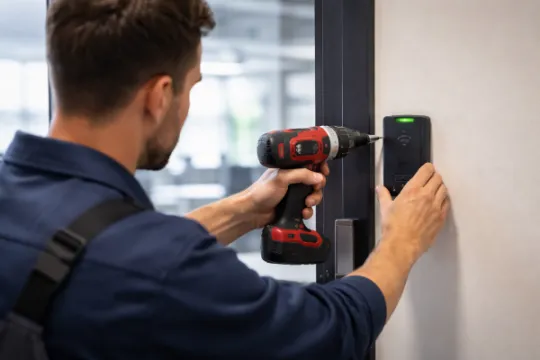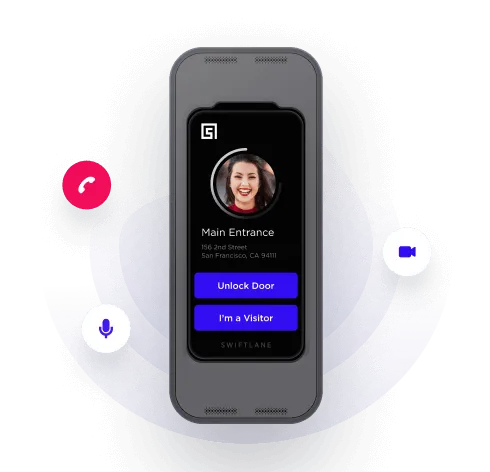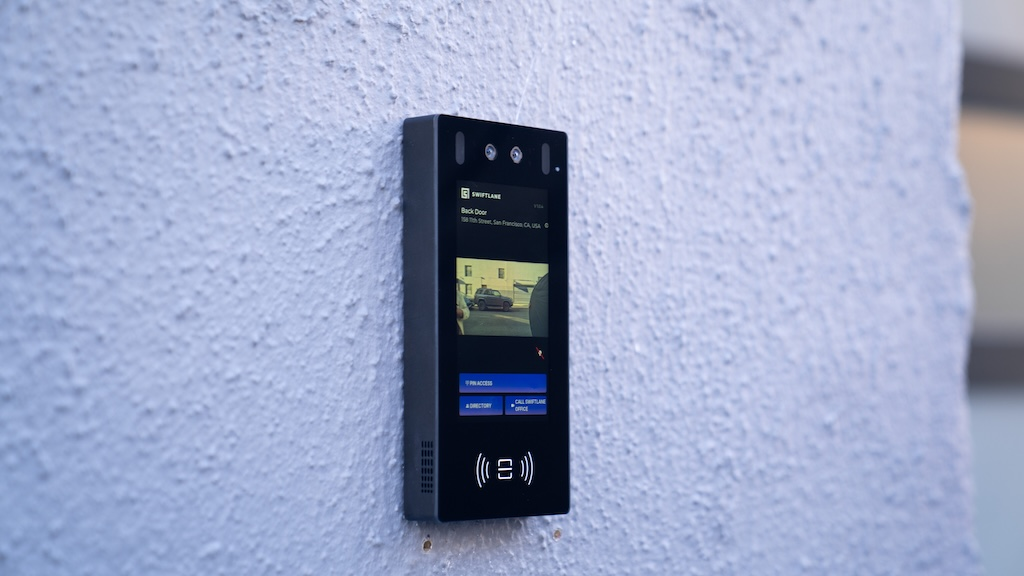
An access control system is only as effective as its implementation. In Georgia, particularly across the Atlanta metro area, properties vary widely in age, layout, and infrastructure. That means installation is rarely plug-and-play.
From resident turnover and delivery access to gate entry and after-hours access, these systems are tied to daily operations. When installers don’t account for this, issues show up in manual workarounds, inconsistent access, and systems that never fully deliver on their capabilities.
That’s why choosing the right installer is a performance decision, not just a technical one. It directly affects how reliably the system runs, how easily your team manages it, and how well it scales over time.
Why Your Installer Choice Matters
- Installer quality directly impacts how well your system performs, not just how it’s installed.
- Multifamily experience matters more than technical specs alone.
- Poor configuration leads to manual work, inefficiencies, and unused features.
- Retrofit experience is critical for older or mixed-use properties in Georgia.
- The best results come from aligning both the system and the installer upfront.
Table of Contents
- 4 Critical Factors in Evaluating Georgia Access Control Installers
- Hidden Costs of Choosing the Wrong Installer
- Gotcha Security’s Approach to Atlanta Multifamily
- How the Right System and Installer Work Together
- Choosing the Right Installer
- Wrapping Up
- FAQs
4 Critical Factors in Evaluating Georgia Access Control Installers
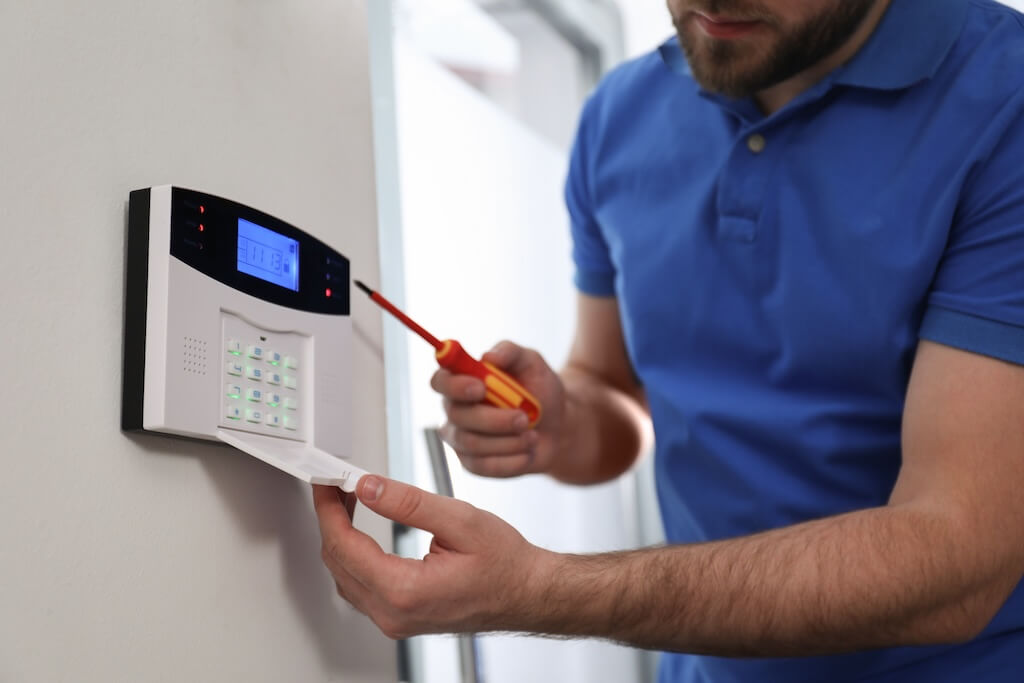
The real difference between installers becomes apparent after deployment, when the system is already in use by residents, staff, and visitors.
Consider the factors below:
1. Real Experience with Multifamily Operations
Multifamily access control involves constant movement. Installers should understand these real-world patterns, not just specs.
Without this, teams often end up handling access manually, approving entries, resetting credentials, or managing exceptions that the system should automate.
2. Ability to Navigate Real-World Building Constraints
Many Georgia properties involve retrofits. Installers need to work with existing wiring, aging doors, and mixed infrastructure, without inflating scope or forcing unnecessary upgrades.
This is especially important in Atlanta, where older properties and mixed-use buildings are common and rarely follow a standard layout.
3. System-Level Understanding (Not Just Installation)
A well-installed system can still fail operationally if it’s poorly configured. Access levels, credential types, audit logs, and integrations all need to be set up with the building’s workflow in mind.
Without this layer, systems may technically be functional but operationally inefficient.
4. Long-Term Service and Accountability
Access control is an ongoing system, not a one-time project. You’re choosing a partner who will handle updates, troubleshooting, and expansion.
Gaps in support often lead to delayed fixes, unresolved issues, and increased reliance on internal staff.
Hidden Costs of Choosing the Wrong Installer
Most issues with access control systems stem from how they were deployed.
The wrong installer can introduce hidden costs that compound over time. These issues rarely surface during installation; they appear later when charges are more complex and expensive to fix.
- Operational inefficiencies – Poor configuration leads to manual workarounds, staff handling access requests, resetting credentials, or managing issues the system should handle automatically.
- Underutilized features – Systems often include capabilities such as remote management, audit tracking, and mobile credentials, but without proper setup, these features go unused.
- Costly rework and downtime – Incorrect wiring, poor planning, or misaligned hardware can require partial or full reinstallation.
- Scalability limitations – What works for one building may fail across a portfolio if the system isn’t designed for expansion.
Gotcha Security’s Approach to Atlanta Multifamily
Gotcha Security is a commercial low-voltage security company focused on the Atlanta multifamily market, working with property teams that need more than just a one-time installation.
They support access control, video intercom, CCTV, gates, and life safety systems, making them a strong fit for properties looking to consolidate vendors across multiple systems.
What sets them apart is how they approach projects. Instead of pushing a standard setup, they evaluate each property’s infrastructure, operational needs, and long-term plans before recommending a solution.
This approach reduces common deployment issues such as mismatched hardware, incomplete configurations, or systems that require ongoing manual work to function properly.
What Types of Properties Benefit Most
- Multifamily communities and HOAs
- Properties managing high tenant turnover and delivery traffic
- Owners and operators looking for a single, reliable integrator across systems
Why They’re a Strong Fit in Georgia
- Deep experience in the Atlanta market
- Proven work across apartment communities and HOAs
- Ability to handle both new installations and retrofits
- Ongoing support beyond initial deployment
How the Right System and Installer Work Together
Choosing an access control system and an installer are often treated as separate decisions, but in practice, they’re closely connected.
The system defines what’s possible. The installer determines whether those capabilities are actually realized.
For example:
- A system may support mobile credentials, but poor onboarding leads to low adoption
- Audit logs may exist, but without proper setup, they’re not usable for tracking
- Remote management may be available, but not configured for daily operations
When both are aligned, the result is a system that reduces manual work, improves visibility, and scales more effectively across properties.
Choosing the Right Installer
Use this as a practical filter when comparing access control installers in Georgia:
| Evaluation Area | What Actually Matters |
| Relevant Experience | Proven work with multifamily, HOAs, or similar property types |
| Deployment Approach | Clear process: site assessment → system design → installation → support |
| Technical Flexibility | Ability to work with multiple systems, not just one locked ecosystem |
| Retrofit Capability | Experience upgrading existing buildings without unnecessary disruption |
| Configuration Depth | Ability to assign system setup with real operational workflows |
| Support Model | Defined post-install support, response times, and ongoing service structure |
Wrapping Up
The right access control setup depends on both the system and the team behind it. A strong installer will align technology with your building’s layout, usage patterns, and long-term plans.
Taking the time to evaluate both upfront can prevent costly adjustments later and lead to a system that performs reliably as your property evolves.
Explore our list of top access control installers in Georgia, or learn more about working with trusted partners like Gotcha Security to plan your next deployment with confidence.
FAQs
How long does it take to install an access control system in a multifamily property?
Installation timelines vary depending on property size, infrastructure readiness, and system complexity. Smaller properties may take a few days, while larger or retrofit-heavy buildings can take several weeks, especially if wiring or network upgrades are required.
Can access control systems be upgraded without replacing existing infrastructure?
In many cases, yes. Experienced installers can work with existing wiring, doors, and hardware to retrofit modern systems. However, the feasibility depends on the current infrastructure’s condition and compatibility with newer technologies.
What should I prepare before contacting an access control installer?
Having details about your property layout, number of entry points, and current security setup, and operational needs (e.g., delivery access, tenant turnover) helps installers recommend a more accurate and efficient solution. This also speeds up the assessment and proposal process.