Most legacy apartment intercom systems weren’t designed for how buildings operate today. Apartment intercom systems with mobile access solve a basic problem: residents aren’t always home, deliveries arrive outside office hours, and property teams manage access across multiple buildings with limited on-site staff.
When intercoms rely solely on hardwired in-unit stations, these everyday scenarios often lead to missed calls, extra manual work, and resident frustration.
Mobile-enabled apartment intercom systems take a different approach. Instead of routing calls to a wall-mounted handset or the front desk, they allow intercom calls and entry requests to be handled through a resident mobile app, so residents and property managers can manage access from anywhere.
What “Mobile Access” Means in Apartment Intercoms
Mobile access refers primarily to using a smartphone as an access credential, such as unlocking building entry points through a mobile app. It also includes receiving intercom calls on a smartphone and remotely unlocking doors for visitors.
This guide is informed by current intercom standards, product documentation, and recurring operational challenges reported by multifamily property managers and building operators.
Key Takeaways
- Mobile-enabled intercom systems let residents receive intercom calls and release doors through a mobile app, even when they’re not home.
- By extending intercom access beyond in-unit hardware, they help reduce missed visitors, delivery delays, and routine access management work for staff.
- Mobile access is most effective in buildings with frequent visitor activity, regular access changes, and reliable internet connectivity.
Table of Contents
- How Mobile Access Changes Day-to-Day Apartment Operations
- Benefits of Apartment Intercom Systems With Mobile Access
- Mobile Access vs Traditional Apartment Intercom Systems
- How Each System Handles Everyday Access
- Comparing Mobile Access Intercom Systems
- When Mobile Access Intercoms Make Sense
- Final Thoughts
- FAQs
How Mobile Access Changes Day-to-Day Apartment Operations
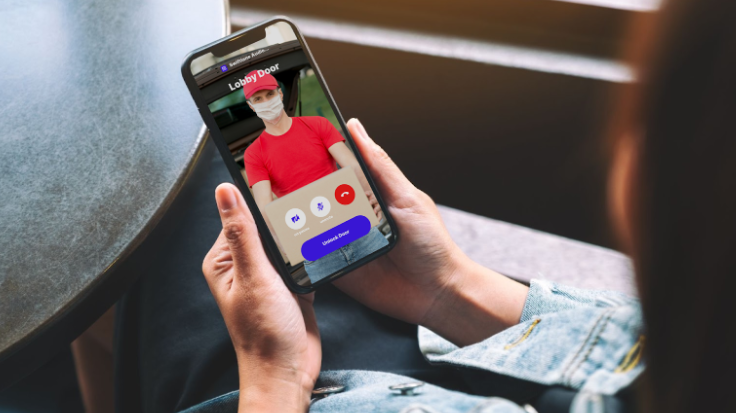
Mobile access becomes a game-changer in moments of missed visitors or deliveries, delays in high-priority access changes, and interruptions in resident life.
- When visitors arrive, and residents aren’t home, residents can use mobile apps to grant remote access and answer calls.
- When deliveries arrive outside office hours, residents can let drivers in themselves, reducing missed drop-offs and front desk interruptions.
- During access changes (move-ins, move-outs, or vendor visits), property teams can update intercom permissions remotely without being on-site.
- When staff time gets pulled into small access requests, mobile access shifts those tasks away from the front desk and back to residents.
- For buildings with steady foot traffic, teams can manage guests, vendors, and short-term visitors without relying on rigid access windows.
Mobile access doesn’t replace clear policies or oversight, but when it’s set up well, it removes friction from the day-to-day work of running an apartment building.
Benefits of Apartment Intercom Systems With Mobile Access
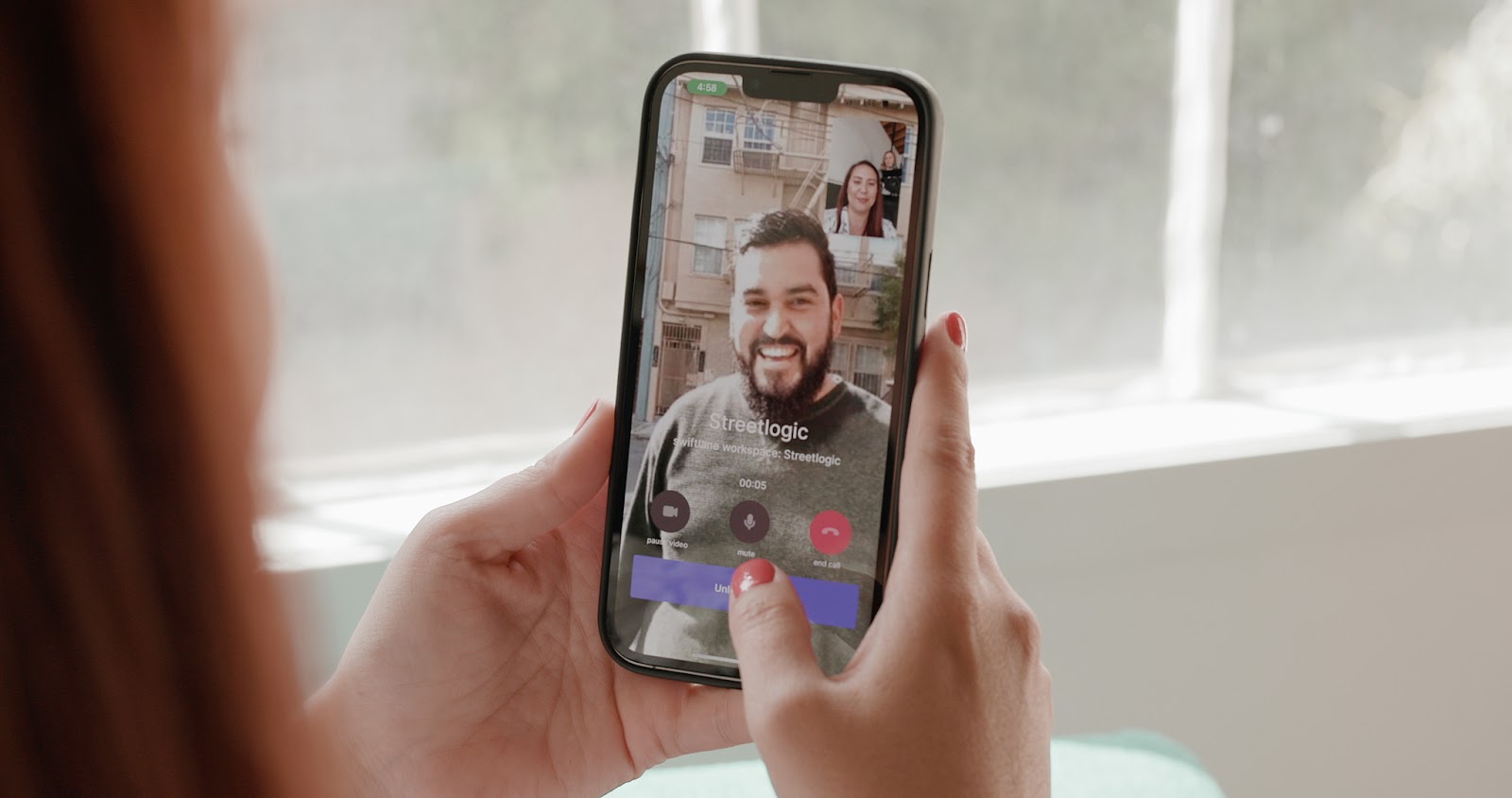
The benefits of mobile access become apparent once it becomes part of daily operations, for residents, staff, and the building as a whole. Below are some of the benefits:
Deliver a Better Smart Building Experience Through Mobile
Smart building adoption is accelerating in multifamily, and mobile access is becoming the standard. Cloud-based intercom systems support this shift by making access easier for residents and simpler for property teams to manage, whether in one building or across many.
More Convenient Entry with Smartphone Access
Mobile access makes building entry more convenient because residents can handle door calls and unlock doors from anywhere, whether they’re in another room, out walking the dog, at work, or traveling.
Instead of needing to be physically near an indoor intercom panel, residents can answer a visitor notification on their phone, see who’s there, and grant access in seconds. This is especially useful for deliveries, guests arriving early, or situations where residents may not be able to get to the door quickly.
In the broader video intercom equipment market, about 45% of devices shipped in 2024 supported smartphone remote access, showing that mobile access isn’t a niche feature anymore. It’s being built into many modern systems.
Better Visitor Flow and Fewer Interruptions
When residents can let visitors in from their phones, it reduces bottlenecks at entry points and reduces interruptions for staff. Modern access control approaches, including mobile intercom integration, are helping properties shift away from physical key-based workflows entirely, removing costs and hassles tied to physical credential management.
Built for Today’s Living Patterns
Using the same devices residents already carry makes the intercom experience feel intuitive. Instead of relying on in-unit hardware or keeping track of separate access credentials, a smartphone becomes the default access tool, similar to unlocking a door or using a mobile key for shared spaces.
Mobile Access vs Traditional Apartment Intercom Systems


At a basic level, both systems let people grant access. The difference is how much effort and convenience they offer once real life gets in the way.
Answering the Intercom
With traditional intercoms, calls usually go to a handset inside the apartment, a front desk, or only through a standard phone call, where residents answer on their cellphone and press a digit (like 9) to unlock the door. If no one’s available to respond, the visitor waits or leaves.
Mobile access changes that. Calls go directly to the resident’s smartphone, typically through a dedicated app, and many systems also include video so residents can see who’s at the door. That means they can answer and unlock entry even if they’re out running errands or still at work. Fewer missed visitors, fewer “can you let them in?” follow-ups.
Manage Access Updates from Anywhere
Traditional systems often need someone on-site to update access. New resident? Lost key? Temporary access? That usually means walking to a control panel or calling in support.
With mobile access, most of that happens through software. Updates can be done quickly, without being physically in the building, which matters a lot in places with frequent move-ins, guests, or vendors.
How Intercoms with Mobile Access Fit in Residents’ Lifestyle
Older intercoms expect residents to work around the system, stay close to the handset, answer quickly, and hope they don’t miss the call.
Mobile access fits more naturally into daily life. People already use their phones for everything, so answering the intercom feels less like a task and more like part of their routine.
How Each System Handles Everyday Access
At a basic level, both systems let residents grant access. The difference is how reliably each one works when residents aren’t home, deliveries arrive after hours, and access needs change constantly.
Where Intercom Calls Go
With traditional apartment intercom systems, calls usually go to a handset inside the unit or to a front desk. If no one is there to answer, the visitor may not reach anyone and often ends up waiting or leaving.
With apartment intercom systems that support mobile access, calls go directly to the resident’s smartphone via an app. That means residents can answer and grant access remotely, even if they’re at work, running errands, or traveling.
When Residents Aren’t Home
Traditional systems assume residents are physically in the apartment and able to answer quickly. When they aren’t, visitors and delivery drivers often hit a dead end.
Mobile access intercoms remove that dependency. Residents can respond from anywhere, which reduces missed visitors and the follow-up requests that usually land on staff.
Deliveries and After-Hours Access
Deliveries rarely arrive on a predictable schedule. In many buildings with traditional intercoms, delivery access either depends on office hours or requires staff involvement.
With mobile access, residents can manage deliveries themselves by granting access remotely, reducing missed drop-offs and interruptions for the property team.
Updating Access and Permissions
Traditional intercom systems often require on-site programming or support to update access. Adding a new resident, removing an old credential, or granting temporary entry can mean someone has to physically interact with the system.
Mobile access intercoms shift most of these updates into software. Property teams can manage permissions remotely, which is especially useful in buildings with frequent move-ins, guests, vendors, and changing access needs.
Guest and Vendor Entry
Guest and vendor access is often more limited with traditional systems, especially when temporary entry needs come up unexpectedly. In many cases, staff end up coordinating access manually.
Mobile access makes temporary entry easier to handle, since residents (and in some systems, staff) can grant access remotely without relying on rigid windows or on-site handoffs.
Resident Experience and Staff Workload
Traditional intercoms tend to create more friction: residents need to be near the handset, and staff often get pulled into routine access requests.
Mobile access fits more naturally into how people already live and communicate. It reduces missed calls, cuts down on routine staff interruptions, and makes day-to-day access easier to manage across the building.
Comparing Mobile Access Intercom Systems Providers
When you’re evaluating mobile access intercom systems for apartments, it helps to compare how leading solutions perform in real building workflows. All of the systems below offer dedicated mobile apps, but they differ in operational focus, setup complexity, and day-to-day experience for residents and staff.
| Intercom System | What It’s Good At | Best For | Things to Consider |
| Swiftlane | Mobile-first intercom built for apartment and multifamily workflows, with centralized cloud management for residents and staff | Buildings that prioritize mobile-first video intercoms with centralized cloud management | Requires reliable internet connectivity to fully leverage cloud features |
| Akuvox SmartPlus | Flexible intercom lineup with mobile support, strong video/audio features, and multiple hardware form factors | Buildings that want more options in hardware style and tailored deployment flexibility | Mobile app experience and configuration can vary depending on deployment and setup |
| 2N IP Intercom Solutions | Enterprise-grade IP intercom hardware with strong security features and integration flexibility | Properties with existing IP infrastructure or where security customization is a priority | May require more technical setup for network configuration, integrations, and on-site hardware management. |
Swiftlane
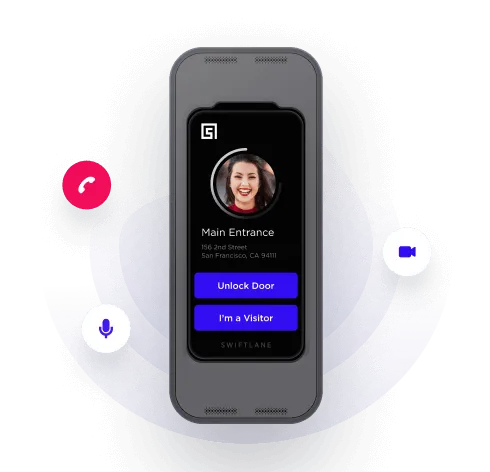
Swiftlane is a mobile-first intercom system built specifically for apartment and multifamily workflows. It combines video intercom hardware with centralized cloud management, enabling property teams to manage residents, credentials, deliveries, and building access remotely.
For buildings that prioritize mobile access as the primary way residents interact with their intercom, Swiftlane is designed to make the smartphone experience seamless and intuitive. The Swiftlane mobile app is highly rated, around 4.7 on Google Play based on hundreds of reviews, and software review sites also show strong satisfaction with the platform’s ease of use and functionality.
Because the system is cloud-based, reliable internet connectivity is important to fully leverage its remote management and mobile access capabilities.
Akuvox SmartPlus
Akuvox SmartPlus offers a flexible lineup of intercom hardware with mobile access support, strong video and audio features, and multiple device form factors. This makes it appealing for properties that want more hardware variety or need tailored deployment options based on building layout or budget.
In terms of mobile app experience, Akuvox SmartPlus has more mixed ratings, about 3+ on Google Play based on several hundred reviews. Users appreciate convenient access control and visitor monitoring, but overall satisfaction and interface polish are rated lower compared with some competitors.
2N IP Intercom Solutions
2N provides enterprise-grade IP intercom hardware known for strong security features and integration flexibility. It is often chosen by properties with existing IP infrastructure or where advanced customization and security configuration are priorities.
Mobile app experience for 2N systems typically depends on third-party or integrated software solutions chosen during deployment. While 2N hardware supports mobile access functionality, properties considering 2N should assess how well their chosen mobile access software performs in real deployments, including ratings for reliability, real-time notifications, and ease of unlocking, before implementation.
Their Google rating is 3+ based on hundreds of reviews.


When Mobile Access Intercoms Make Sense
Mobile access intercoms are quickly becoming the next generation of building entry systems. For many residents, mobile-first access is already the experience they expect, whether they’re letting in guests, managing deliveries, or answering intercom calls while they’re away from home.
That said, the biggest operational payoff comes in properties where access needs change frequently, residents aren’t always on-site, and staff can’t afford to spend time handling routine entry requests.
The checklist below can help you quickly assess whether mobile access will solve real day-to-day access challenges in your building and deliver measurable value for both residents and staff.
Mobile access makes sense if:
- Residents aren’t home during the day and often miss visitors or deliveries
- Access changes happen regularly (move-ins, guests, vendors, short-term access)
- Staff time is limited, and small access requests pile up
- The building already relies on cloud tools for other operations
- Internet connectivity is stable and reliable
It May Not Be the Right Fit if:
- The building has very low visitor traffic
- Access rules rarely change
- Residents prefer fixed, in-unit systems and aren’t comfortable using apps
- Internet reliability is inconsistent
- Staff handle on-site access and visitor entry without creating delays or disruptions.
For these buildings, a traditional or hybrid setup may still work just fine.
Mobile access isn’t about upgrading for the sake of it. It’s most effective when it supports how residents live and how property teams manage access day to day. When those pieces don’t line up, even the best technology can feel unnecessary.
Final Thoughts
Mobile access intercom systems aren’t about chasing the newest feature. They’re about how access actually works in a modern apartment building. For properties with frequent visitors, limited staff time, or residents who aren’t always home, mobile access can remove a lot of small, recurring friction from daily operations.
At the same time, it’s not a required upgrade for every building. Some properties run just fine with simpler systems, especially when access needs are stable and on-site workflows already work well. The key is matching the system to how your building operates, not forcing operations to adapt to the technology.
If mobile access aligns with your residents’ habits and your team’s day-to-day workload, it can make access easier to manage and less disruptive overall. If it doesn’t, there’s value in knowing that too. A good intercom system should support your building, not add another layer to manage.
FAQs
Do residents need to download an app to use apartment intercom systems with mobile access?
In most cases, yes. Mobile access intercoms typically use a smartphone app to receive calls and unlock doors. Some systems also offer backup options, like PINs or alternative entry methods, for residents who prefer not to use an app.
What happens if a resident doesn’t answer the intercom call?
If a call goes unanswered, access is typically not granted, unless the system is configured with fallback rules such as call forwarding, concierge routing, or scheduled access permissions. The difference is that mobile access reduces missed calls by allowing residents to answer from anywhere, not just from inside their apartment.
Are mobile access intercoms reliable if the internet goes down?
Mobile access features depend on a stable internet connection. Many systems offer fallback options, like keeping doors operational with PINs, key fobs, or on-site entry methods, even if cloud features temporarily go offline. But buildings with frequent connectivity issues may want to consider hybrid setups or backup access methods.