If your annual goals include upgrading your building’s access control system, you’ll soon be comparing intercom options. This guide can help you understand which factors influence the total apartment intercom installation cost, how they inflate or deflate prices, and how you can choose the most cost-effective, no-nonsense system for your building.
An exact apartment intercom installation cost is difficult to specify because pricing varies widely, depending on building requirements, system design, and installation complexity. For this reason, most intercom system vendors prefer to offer custom quotes instead of fixed pricing.
Because of Swiftlane’s firsthand support for thousands of multifamily buildings and apartments, we’re sharing a full price breakdown to help property teams better understand the factors that influence the cost of an apartment intercom system.
Read on to get a general cost estimate for your intercom needs.
Key Takeaways
- Apartment intercom installation costs depend on hardware costs, installation and labor, and ongoing maintenance and software fees. More detailed factors within these three primary categories further drive prices higher or lower.
- Hardware costs depend on the chosen device, additional access devices, and in-unit devices. Installation and labor costs are driven by system integrations, fixed wiring and conduits, new construction or retrofit installs.
- The type of apartment intercom system greatly affects overall costs based on hardware components. Wired intercoms can cost up to $7,000 for traditional systems, while wireless intercoms can be priced up to $3,000. Audio-only and video intercom systems can also cost up to $2,500.
- Careful intercom planning is necessary to prevent huge financial losses caused by higher long-term expenses, limited scalability, operational inefficiencies, and security gaps.
- Cost-cutting tips without cutting corners can still be achieved by switching to web or mobile-enabled intercoms, strategizing access points, planning for scale, and evaluating total ownership prices.
Table of Contents: Quick Navigation
- How Much Does an Apartment Intercom Installation Cost?
- Key Factors Influencing Cost of Apartment Intercoms
- Cost Comparison by Intercom Type
- Risks of Choosing the Wrong Intercom
- Tips to Lower Intercom Costs without Cutting Corners
- Evaluating Apartment Intercom Systems
- Get a Building-Specific Intercom Estimate With Swiftlane
How Much Does an Apartment Intercom Installation Cost?
Apartment intercom systems come in various prices because of differences in system design and installation complexity. However, intercom systems from a single vendor can also fluctuate in price due to variations in operational requirements.
From a high-level perspective, apartment intercom installation costs are affected by three main factors:
- Hardware
- Installation and labor
- Ongoing maintenance and software fees
Prices change further based on the details that fall under these three main factors. Below is a quick side-by-side overview of typical pricing, before we get into what variables might influence the cost of apartment intercoms.
Quick Overview: Cost Comparison by Intercom Type
Based on Swiftlane’s experience working with thousands of security installers, these are the typical price ranges we see:


Get an estimate for your apartment building now.
Key Factors Influencing Cost of Apartment Intercoms
1. Hardware Costs


- Type of Intercom. The cost of installing an apartment intercom will largely depend on what type of intercom is chosen. Wired intercoms vary vastly in price compared to wireless intercoms. Audio-only intercoms cost differently from video intercoms in the same way. Jump to our cost comparison based on intercom type.
- External Entry Devices. Apartment buildings with multiple exterior access points require intercom devices at each entryway. Apartment intercom systems with door release are a needed expense to control and secure access to apartment buildings.
- Additional Access Devices. Optional access control system devices include door access panels, elevator control devices, PIN entry devices, and keycard or key fob readers inside the apartment building. While they add more layers of security within the apartment building, the more of these additional access devices there are, the higher the total intercom price will be.
- In-Unit Devices. Wired, telephone-entry, and audio-only intercoms often come with in-unit home intercom system devices. These are used for receiving calls and opening the main building entrance. Compared to optional extra access devices, in-unit devices are required for the building because of the chosen intercom type, adding to the intercom price.
2. Installation and Labor Costs
- New Construction vs. Retrofit Install. New construction installations have clearer, if not fixed, pricing because property teams only need to think about how many intercom devices will be installed. Comparatively, retrofit installations have more factors to consider, such as how much old wiring may be reused and how compatible existing door locks are with the new system.
- System Integration. Apartment buildings may already have camera systems, access controls, and elevator controls installed, so a building intercom system installation must account for system compatibility and integration partners.
- Fixed Wiring and Conduits. Wireless intercoms still require a small on-prem conduit system for their intercom devices, including door controller units, power supply, and Ethernet lines. Meanwhile, wired or telephone-entry intercoms need physical wiring or telephone lines installed, adding tremendously to the intercom price.
- Wall Penetration and Masonry. Physical wires or telephone lines need to be fitted properly and cleanly, which may require wall penetration or masonry work. Retrofit installations may also need extra masonry work when replacing large telephone entry panels.
- Contractor Rates. Labor costs will be required expenses for the expertise of installation technicians.
- Permits and Code Compliance. Depending on the location of the apartment building, permits may be required for intercom installations. At the same time, intercom configurations must also comply with local building codes, fire regulations, and accessibility rules.
3. Maintenance and Software Fees


- On-site Maintenance and Repair. Fixed-wire door intercoms may need periodic maintenance or on-site service calls if wiring is damaged or components fail.
- Software Subscription and Support. Wireless or video intercoms often rely on cloud-based systems instead of fixed wiring, so instead of expenses for wire maintenance, expenses will be for software subscriptions for support and updates.
Cost Comparison by Intercom Type
As security experts, we’ve found that intercom types significantly affect intercom system installation costs due to different configurations. The following cost comparison, based on intercom type and key cost factors, may help property teams and owners have a more accurate understanding of what price to expect.
Wired Apartment Intercoms


- Hardware Costs: Wired apartment entry systems, whether traditional or smart systems, come with higher upfront prices because of their hardware. Traditional wired intercoms also require in-unit devices that add to the total cost, the more apartment units there are.
- Installation & Labor Costs: Installation and labor expenses are often high for wired intercom systems because they rely on physical wiring. These lines take longer installation times because they connect to the in-unit devices within each apartment. Integration with existing systems, like electronic door release systems, also takes time and labor, resulting in higher expenses.
- Maintenance and Software Fees: Long-term costs will still be higher, more so for larger buildings. Wires need to be repaired from time to time because of accidental damage. Frequent on-site service calls also carry high rates.
Wireless Apartment Intercoms


- Hardware Costs: A wireless intercom system for apartment buildings may support more capabilities, such as web dashboards and mobile-based intercom management. However, they cost less than wired systems, especially for large multifamily residential buildings, due to their wireless configuration.
- Installation & Labor Costs: As wiring and conduits are limited to entryways for the wireless intercom devices, installation and labor costs may go down. The absence of physical wires connecting to each apartment unit makes wireless intercoms scalable and more cost-effective.
- Maintenance and Software Fees: Because of web or mobile-based support and the lack of long physical lines, wireless intercom systems require less maintenance. There may be software subscription fees, but these are less expensive in the long term than fixed wire systems.
Audio-Only Intercoms


- Hardware Costs: Audio-only intercom systems for apartment buildings may be wired or wireless, and pricing varies as per intercom types. However, since only two-way audio communication is supported, these intercoms are more affordable than video intercoms.
- Installation & Labor Costs: Even with audio-only support, wired configurations still come with the costs of physical wiring and installation. Integration with existing systems and retrofit installs may lower upfront costs, yet may not always be the appropriate fit for building operations.
- Maintenance and Software Fees: Maintenance and software fees depend on whether the audio intercom system is wired or wireless. For wired configurations, recurring maintenance costs may accumulate over time, and for wireless systems, software fees may be lower than video intercoms. However, the limited security verification methods may not be suitable for high-traffic buildings.
Video Intercoms


- Hardware Costs: Video intercom devices often cost more than audio-only devices, yet the lack of physical wiring and in-unit devices helps offset the higher price.
- Installation & Labor Costs: Installation and labor may be more affordable because of more compact conduits for video intercom systems. Retrofit installs and existing system integration may often be done as well, further lowering costs.
- Maintenance and Software Fees: Software subscription services are a mainstay for video intercom systems, yet they come with accessible support, off-site maintenance, or software updates, and fewer on-site service calls. Over the long term, fees will not accumulate as much as with wired intercoms.
Risks of Choosing the Wrong Intercom
Choosing an apartment intercom system based solely on upfront costs introduces long-term security, operational, and financial risks. Based on numerous customer testimonials obtained through Swiftlane’s direct support for property teams and owners, we’ve compiled the most common issues encountered when an intercom system doesn’t meet an apartment building’s needs.
1. Higher Long-Term Expenses
Intercom systems that cost less upfront may seem appealing, but can lead to higher expenses over time. Fixed-wired intercoms usually require frequent on-site service calls to repair damage and maintain lines. Only a few years after initial installation, a new intercom may be needed to replace the old one because of accumulated damage.
Taking into account long-term maintenance of the intercom system removes future headaches and financial holes.
2. Limited Scalability as Properties Change
Small properties may evolve in the future with more entryways, additional units, or more security measures. Otherwise, owners may obtain more residential apartment buildings in other locations.
The scalability of a lower-priced intercom system may be hindered by these future developments, leading to more expensive workarounds or additional intercoms. So, renovations, expansions, or new properties should be taken into account for easier and more efficient scalability of intercom systems.
3. Operational Inefficiencies for Administrative Teams
On-prem staff may have heavier day-to-day workloads because of poorly chosen intercom systems. Staff may have to be on-site to manage resident directories and credentials.
On-site programming may also be required for simple changes to the system. These inefficiencies may accumulate, resulting in higher staffing costs and slower response times to resident or visitor requests.
4. Security and Audit Gaps
Lower-priced intercom systems have lower upfront costs because of their limited management and security capabilities. For example, audio-only systems lack visual accountability for visitor and entry activity.
Lost or shared credentials may pose security risks and make management more difficult. Response times to security incidents may also be delayed.
More capable, modern intercom systems offer additional verification methods and enhanced audit reporting for greater accountability and stronger security. Tenants may feel safer and satisfied because their homes are protected from suspicious persons.
Tips to Lower Intercom Costs without Cutting Corners
Although apartment intercom system prices should be evaluated alongside intercom capabilities and reliability, there are smart ways to lower overall intercom costs.
The following cost-cutting tips are based on Swiftlane’s firsthand experiences supporting multifamily residential apartments without compromising tenant security or property operability.
Switch to Web or Mobile-based Platforms
Residents need not be limited to intercom systems with in-unit hardware to receive calls and manage building access. Apartment intercom systems with web dashboards and mobile access control may remove the need for in-unit devices, lowering installation and long-term maintenance costs.
Use a Centralized Management Platform
Traditional intercom systems require a complete set of hardware components for every access point and building. This becomes excessive and expensive when multiplied across entryways and properties.
Instead, secure all entry points in all your properties with a centralized management platform. Intercoms capable of centralized management allow tiered access and multiple entry credentials, making property management easy without excessive hardware.
Consider Scalability
Anticipate future changes to multifamily residential properties, so the intercom selection can accommodate these developments. Planning scalability ahead of time may save on expensive intercom expansion projects.
Evaluate Total Ownership Cost
Look at long-term intercom costs as well as upfront expenses. Chart a multi-year table to see the impact of different systems on overall ownership cost for finding the most cost-effective solution.
Evaluating Apartment Intercom Systems
The apartment intercom installation cost should be considered from a high-level perspective to set an accurate and feasible expectation for security and cost-efficiency. Consider the key cost factors of hardware costs, installation and labor costs, and maintenance and software fees to see how intercom prices change. Also, note how different types of intercom systems affect price breakdowns.
All in all, carefully choose the right intercom system for apartments that balances cost, capabilities, and security to prevent financial losses from an intercom and building mismatch. However, reducing overall intercom costs may still be achieved through scalability planning, access strategies, and web- or mobile-based management.
Consider these before you buy the most cost-effective and affordable apartment intercom system.
Get a Building-Specific Intercom Estimate With Swiftlane
Take the guesswork out of your intercom planning with our team’s accurate project estimate for your apartment buildings. You can also ask questions or raise any other considerations with our tech teams, who are ready to assist property managers and owners.
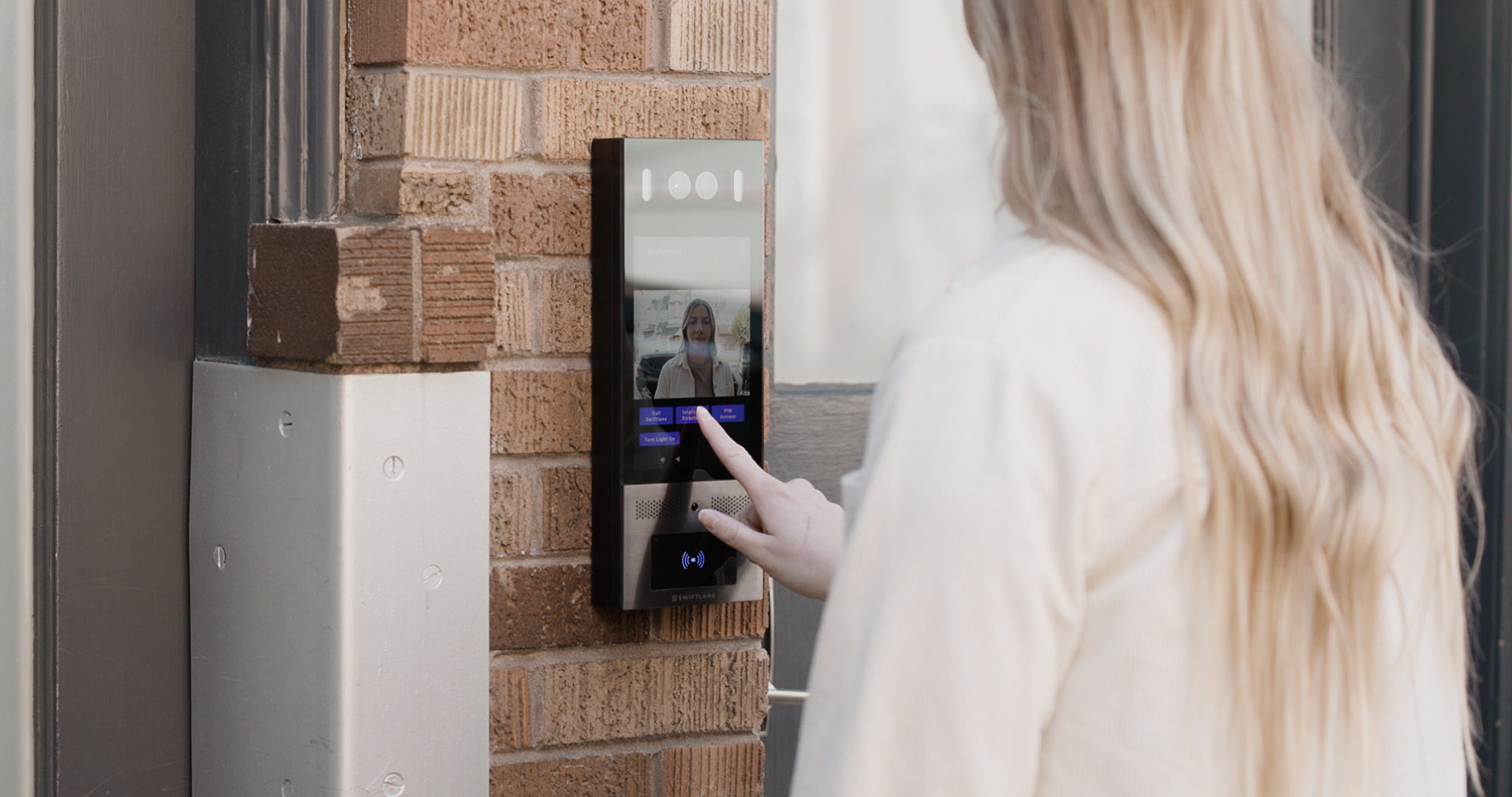
Swiftlane’s SwiftReader X is a video intercom system that centralizes property management down to a single interface, such as a laptop or smartphone. It is made for scalability and quick deployments, driving down upfront prices and long-term costs.
When your concern is the total ownership costs of installing an intercom, the SwiftReader X meets your building’s operational requirements without burning a hole in your wallet.